Encyclopedia of Market Bubbles
A curated reference of the most consequential speculative manias in financial history, from the 17th-century Dutch Tulip Mania to today's AI-driven equity concentration. Each entry distils the conditions that inflated the bubble, the warning signs investors ignored, and the human and economic damage left behind when prices collapsed. Coverage spans four centuries.
Entries are organised by era — Early Modern, Post-War & Cold War, Dot-Com Era, Crypto Era, and Contemporary — alongside two practical guides on how to identify a bubble in real time and how to position a portfolio during one. Within each era, bubbles share structural patterns: a real innovation that justified initial price gains, a financial product or credit expansion that lowered the cost of speculation, a euphoric phase in which valuation metrics were abandoned, and a regulatory or political moment that finally exposed the gap between price and underlying cash flow.
Every entry is researched from primary sources and cross-referenced against academic and historical scholarship. Where historical figures are disputed we use ranges rather than fabricated precision.
Crypto Era6 entries
Bitcoin First Bubble (2013)
Bitcoin's first major bubble saw prices rise from $13 to over $1,100 before Mt. Gox's collapse revealed the loss of ~744,000 customer BTC and sent prices down 85%.

ICO Bubble and Crypto Mania (2017-2018)
The ICO craze raised $20 billion for projects that were largely fraudulent or failed, while Bitcoin rose 1,900% to $20,000 before crashing 84%.

DeFi Summer and Yield Farming Bubble (2020)
DeFi protocols promised 1,000%+ yields through algorithmic trading and liquidity provision, growing TVL from $1B to $15B before multiple exploits and collapses.
The Great Crypto Bubble (2020-2022)
Bitcoin rose to $69,000 and total crypto market cap hit $3 trillion before Terra/Luna, Three Arrows, and FTX collapsed, destroying $2 trillion in value.

Meme Stock Bubble — GameStop and WallStreetBets (2021)
Reddit's WallStreetBets community drove GameStop shares from $17 to $483 in a coordinated short squeeze that challenged Wall Street and spawned a cultural movement.

NFT Bubble (2021-2022)
Beeple's $69M sale triggered a frenzy where pixelated profile pictures sold for millions, before 95% of NFTs became effectively worthless.
Contemporary18 entries

Dubai Property Bubble (2004-2009)
Dubai's megaproject ambitions — The Palm, The World islands, the tallest buildings — created a property bubble that crashed 50% and required Abu Dhabi bailout.

The Eurozone Sovereign Debt Crisis — When the Euro Itself Was in Question
The 2010-2012 eurozone crisis exposed the structural flaws of monetary union without fiscal unity. Peripheral bond yields spiked to unsustainable levels as redenomination risk threatened the euro's existence until Draghi's intervention.

Chinese Stock Market Bubble (2014-2015)
The Shanghai Composite rose 150% in 12 months driven by margin lending and government encouragement, before crashing 49% and triggering unprecedented market interventions.
The Global Bond Bubble and Zero Interest Rate Era (2009-2022)
Central banks held rates at zero for 13 years and bought $25 trillion in bonds, creating the largest bubble in the largest asset class in history.

Bitcoin and Crypto — Four Cycles of Boom and Bust
Bitcoin has experienced four major boom-bust cycles since 2009, each larger than the last, combining genuine technological adoption with classic speculative mania patterns.
The Everything Bubble (2009-2022)
Zero interest rates and $25 trillion in QE inflated every asset class simultaneously for the first time in history — the unwinding remains incomplete.

The Pokémon Card Bubble — Nostalgia, Speculation, and the $10 Billion Collectibles Mania
The 2020-2022 Pokémon trading card mania transformed a children's hobby into a $10+ billion speculative market, with PSA 10 1st Edition Charizards reaching $420,000 before collapsing 50%+ as the grading backlog cleared and supply caught up.
The SPAC Bubble — Blank Check Companies and the Retail Speculation Frenzy
The SPAC bubble of 2020-2021 saw blank check companies raise $246 billion in two years, promising retail investors access to private equity-style deals before collapsing amid fraud scandals, redemption waves, and regulatory crackdowns.

Chinese Property Bubble and Evergrande Crisis (2000-Present)
China's property sector reached an estimated $62 trillion in value. Evergrande's $300 billion+ liabilities triggered a crisis threatening the world's second-largest economy.

The Meme Coin Bubble — Dogecoin, Shiba Inu, and the Joke That Became a $90 Billion Mania
Dogecoin and Shiba Inu — joke cryptocurrencies with no technical innovation — reached a combined peak market cap exceeding $90 billion in 2021 before collapsing 90%+, driven by Elon Musk tweets, retail unit-bias psychology, and pandemic-era stimulus speculation.

Silicon Valley Bank and the Regional Banking Crisis of 2023
Silicon Valley Bank collapsed in March 2023 after a social media-accelerated bank run, triggered by duration mismatch and unrealized losses on $120B securities portfolio, requiring systemic FDIC intervention.
The UK Gilt Crisis — Liability-Driven Investment and the 45-Day Prime Minister
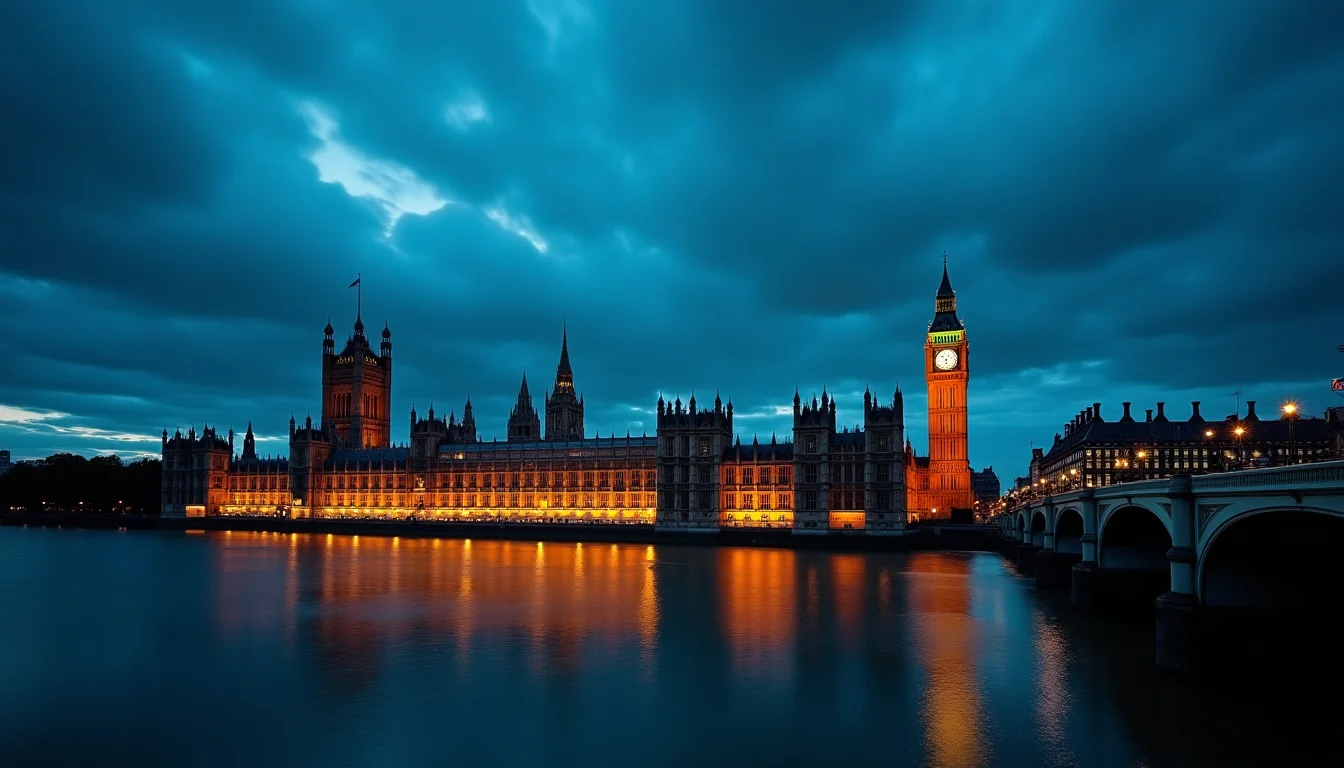
The September 2022 crisis where Liz Truss's unfunded tax cuts triggered gilt yields to spike, forcing leveraged pension funds into fire-sales that nearly collapsed the UK retirement system within 48 hours.
Australian Housing — Why It Has Avoided Every Crash
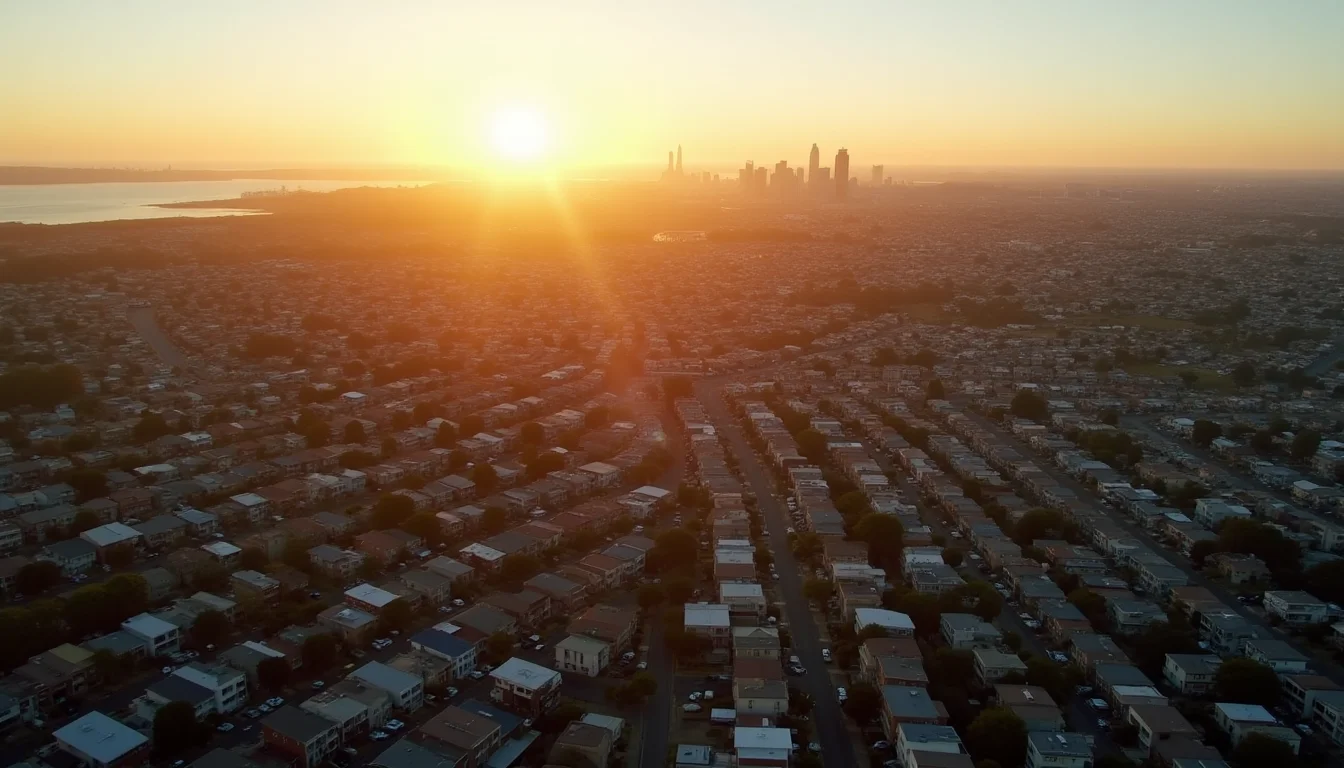
Australian residential property has defied repeated predictions of collapse, sustaining one of the longest bull runs in global history amid soaring household debt and price-to-income ratios.

Canadian Property Bubble (2002-Present)
Canadian housing prices rose 375% nationally since 2002, with Toronto and Vancouver among the world's most expensive cities relative to income.

Global Property Markets — A Worldwide Bubble?
Property markets across Hong Kong, Canada, New Zealand, and Australia simultaneously reached extreme price-to-income ratios, while some have since corrected sharply and others remain elevated.

US Tech and AI Megacap Surge (2020-Present)
The 'Magnificent Seven' tech stocks reached 30% of the S&P 500, while AI narrative drives valuations reminiscent of historical technology manias.
Australian Property — The Longest Bull Run? (1990-Present)
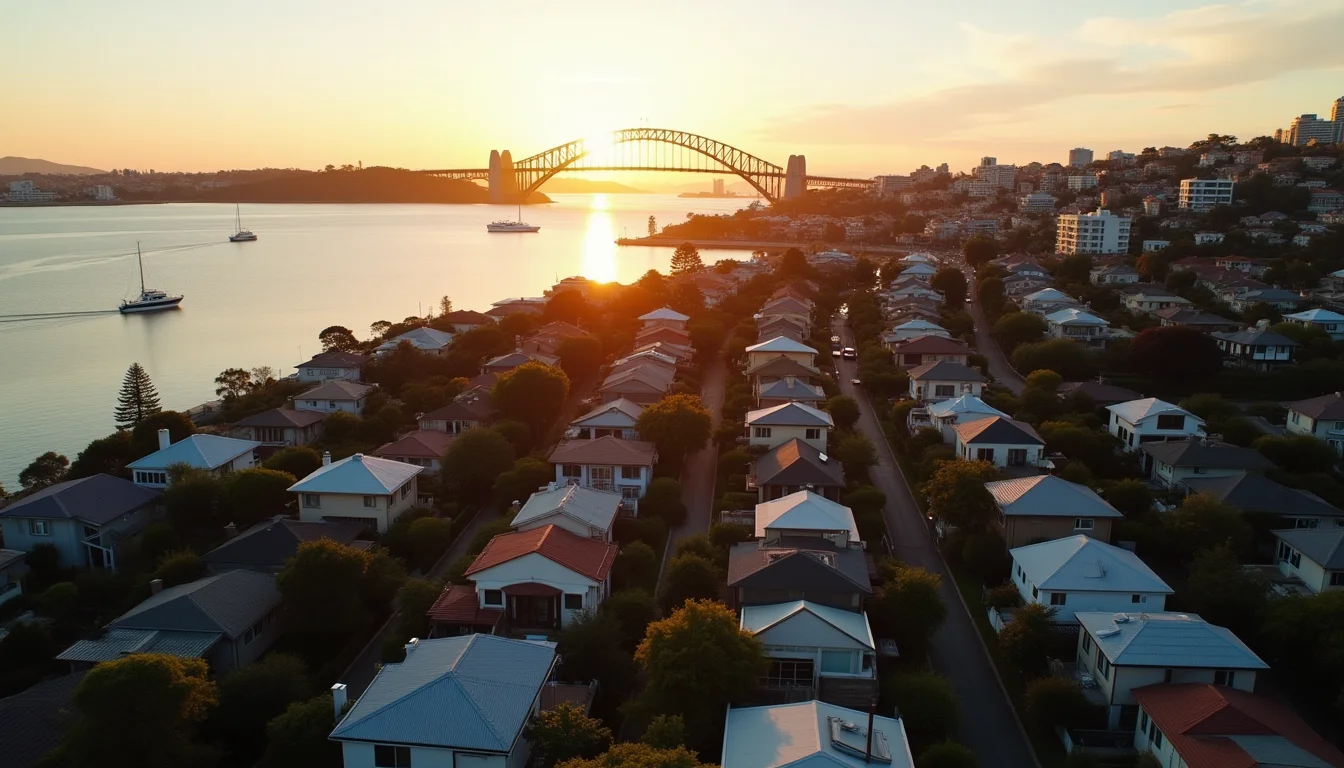
Australian property has not experienced a significant national correction since 1990, creating the longest continuous property bull run in recorded history.
The Magnificent Seven Concentration — When Seven Stocks Became the Market
The Magnificent Seven (Apple, Microsoft, Nvidia, Amazon, Alphabet, Meta, Tesla) comprised over 33% of the S&P 500 by 2025, creating unprecedented market concentration amplified by passive investing flows.
Gold ownership and storage options
Affiliate link: Bubblepedia may earn a commission. Gold prices fluctuate and losses are possible.
Store physical gold with BullionVault →