Market Bubble Analysis & Commentary
Daily commentary on the speculative excesses, valuation extremes, and structural risks shaping global markets right now. Articles cover equities, property, crypto, commodities, and the macro forces that drive boom-and-bust cycles, with frequent reference to historical parallels documented in the encyclopedia. Each piece is written to translate complex market signals into clear, actionable context for long-term investors.
Analysis falls into four recurring categories — historical-parallel pieces that map a current market condition onto a documented past bubble; crypto-market-cycle notes that track halving positioning, stablecoin reserves, and exchange-concentration risk; property-market-risk pieces that examine credit availability, household debt, and rental-yield gaps; and global-market-risk articles that focus on yield-curve signals, central-bank divergence, and sovereign-debt sustainability. The category badge on each card identifies which lens the article uses.
Every article is written to a strict editorial standard. Specific numbers must be traceable to live indicator data or supplied source text. Speculative phrasing is avoided. Articles below an 800-word threshold are rejected and regenerated. Pieces flagged for review are held back rather than published with disclaimers. Use this feed to track how today's risks are evolving and where the next mania may already be forming.
The pipeline that produces these articles draws on a structured set of inputs: a daily-refreshed table of macro indicators (Shiller CAPE, Buffett Indicator, US 10-year yield, MOVE index, Bitcoin dominance, stablecoin reserves, household debt-to-GDP, and roughly forty others), a curated news feed scraped from central-bank statements, regulatory filings, and major financial outlets, and the full encyclopedia of historical bubbles for parallel-matching. The model is instructed to flag any indicator reading that crosses a documented historical threshold and to anchor its analysis in that signal rather than in sentiment or narrative.
Editorial independence matters. Bubblepedia does not accept sponsored placements inside analysis articles, and affiliate links — where they appear — are confined to clearly labelled blocks separated from the body copy. We do not short or hold leveraged positions in any asset discussed, and we do not publish price targets or trade recommendations. The goal is structural understanding: helping readers recognise the shape of a bubble before it bursts, and the shape of a recovery before it begins. Bookmark this page or subscribe to the weekly digest to follow the analysis as it evolves.

Cantor, BSTR, and the SPAC Revival: How Bitcoin's Corporate Wrapper Problem Echoes 2013's Custodial Illusions
As Cantor Fitzgerald and Adam Back's Twenty One Capital seek renegotiated terms for their Bitcoin SPAC merger, the structural opacity of corporate Bitcoin vehicles is reviving questions about reserve integrity that have haunted the crypto market since Mt. Gox.
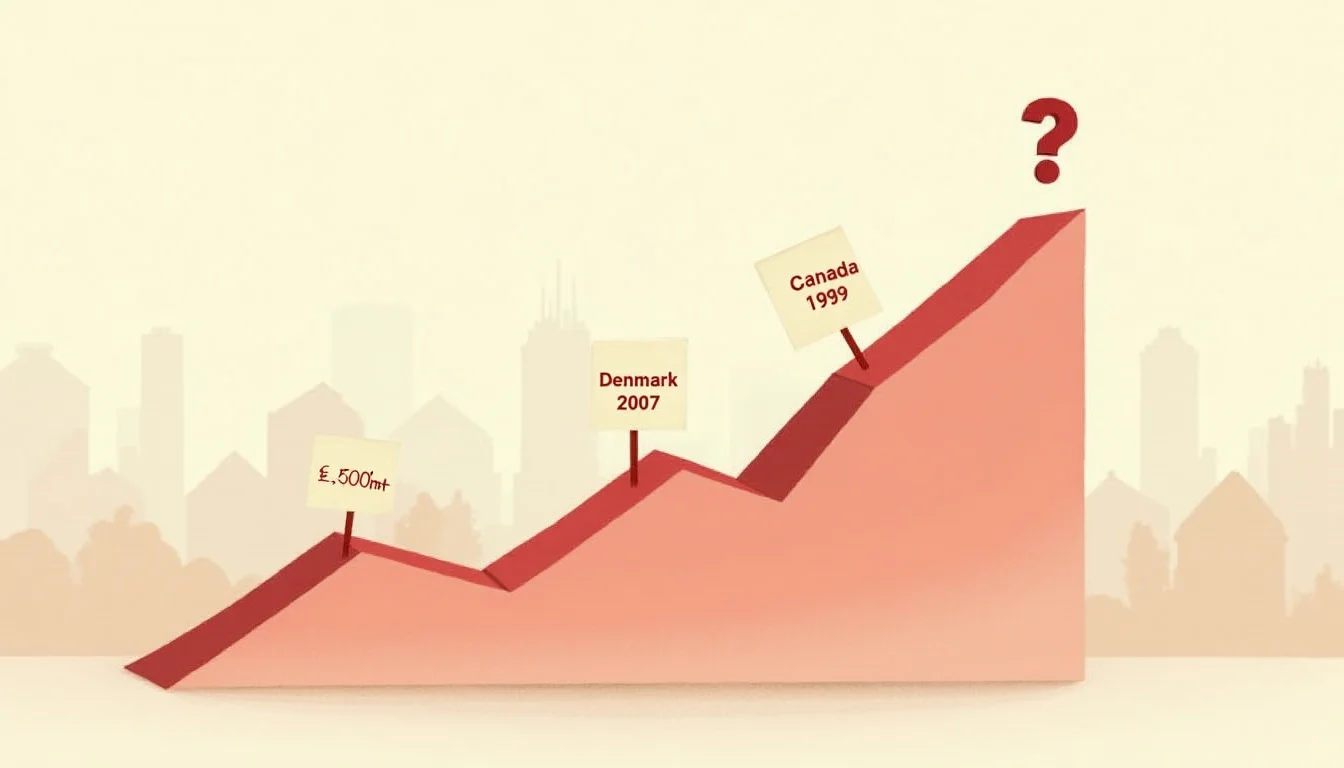
Australia's Household Debt-to-Income Ratio in Context: Comparisons with Japan 1989, Denmark 2007, and Canada 2017
Australia's household debt-to-income ratio has reached levels that historically preceded severe property corrections, and the trajectory of that ratio — not just its peak — is what history shows matters most.

Asian Currency Floors Cracking: Korea, Indonesia Face 1997-Style Reckoning
South Korea's KOSPI has fallen 20% from its peak and Indonesia faces a potential frontier-market reclassification, exposing how Asia's managed currency regimes amplify rather than absorb speculative dislocations when capital flows reverse.

AI Tokens, Crypto Venues, and Concentrated Failure: Why Exchange-Concentration Risk Has Not Gone Away
Despite regulatory advances since FTX's 2022 collapse, crypto trading volume remains dangerously concentrated among a handful of exchanges, and the emergence of AI-linked tokens is adding a new layer of complexity to a structural vulnerability the industry has yet to resolve.
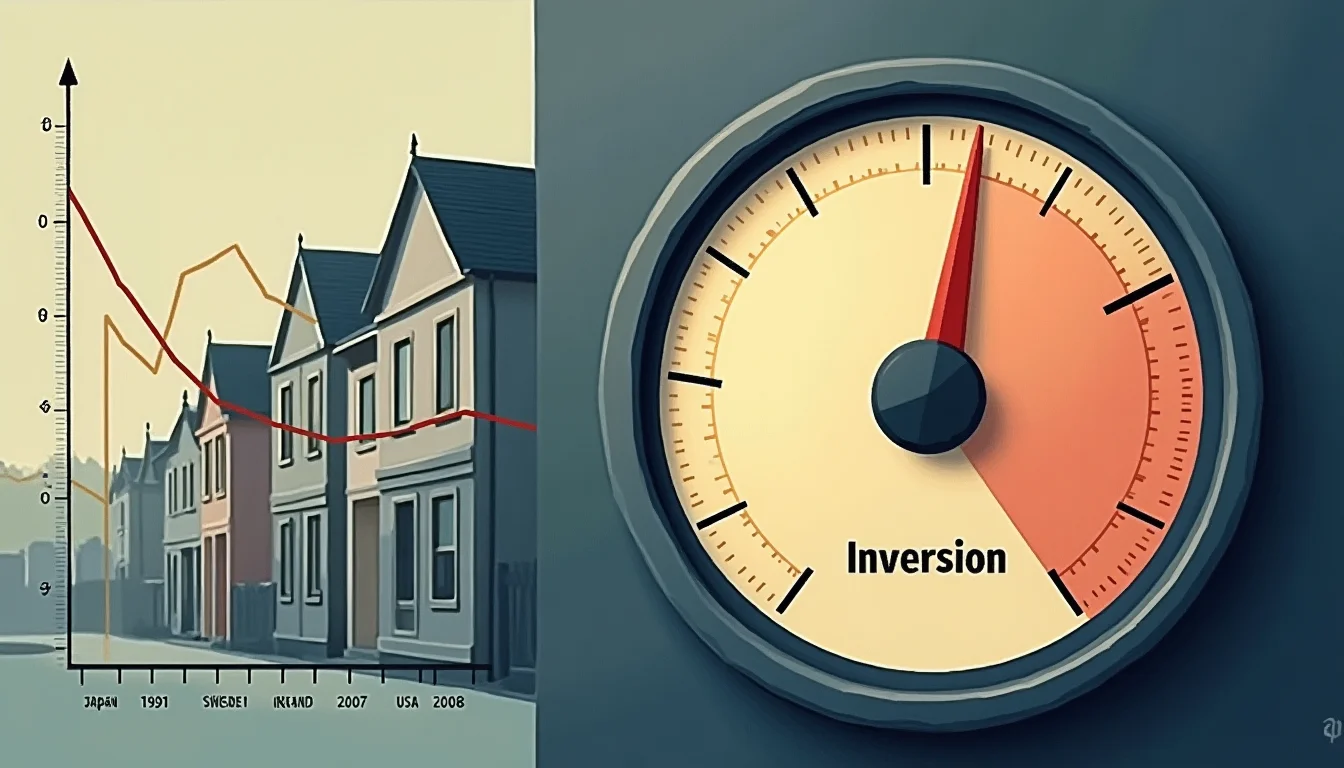
Rent Can't Outrun the Risk-Free Rate: What Bond-Yield Gaps Revealed Before Four Property Crashes
When the income a property generates falls below what a government bond pays, history consistently shows that capital values are being sustained by speculation rather than fundamentals — a signal that preceded crashes in Japan 1991, Sweden 1992, Ireland 2007, and the US in 2008.

Hedge Funds Bet Against the Yen at 2007 Extremes While the Fed Holds and the BOJ Hesitates — Central Bank Divergence Is Back
Hedge fund short positions on the Japanese yen have reached their most negative levels since 2007, as the Federal Reserve holds rates steady and the Bank of Japan moves cautiously, recreating the kind of central bank divergence that historically precedes violent cross-asset dislo

Eurozone's 2012 Crisis Never Ended: Why 2026 Looks Familiar
Fourteen years after Mario Draghi's 'whatever it takes' speech saved the euro, the structural defects that nearly destroyed it in 2012 remain intact — and Italy's debt-to-GDP ratio above 150% means the next political shock could reprice sovereign risk faster than the ECB can resp

U.S. Term Premium Climbs Toward 2007 Highs as Fading Rate-Hike Fears Mask a Deeper Debt Market Warning
Bond markets are sending a split signal — fading near-term rate-hike expectations are lifting risk assets, but the rising term premium embedded in long-dated U.S. Treasuries echoes the quiet yield-curve stress that preceded the telecom-era capital misallocation of the late 1990s.

Dubai's Palm Jumeirah Was Real — So Was the Crash: What Genuine Innovation Does to Speculative Fever
Dubai's post-2002 property boom was grounded in a real structural shift — the opening of freehold ownership to foreigners — yet that legitimate displacement narrative amplified, rather than prevented, one of the Gulf's most destructive speculative manias.

Migration Peaks, Property Busts: What Demographic Reversals Did to Japan, Ireland, and Sweden — and What Australia Faces Now
History shows that when migration-driven housing demand peaks and reverses, property markets built on population growth assumptions face severe corrections — a pattern now emerging in Australia.

Bank of Korea Flags Single-Stock Leveraged ETF Risks as Geopolitical Supply Shocks Amplify Margin Fragility
South Korea's central bank has warned that single-stock leveraged ETFs are concentrating retail risk in ways that mirror the margin-lending dynamics that preceded China's catastrophic 2015 market crash.

Australia's Construction Sector Carries an Economy — and History Shows What Happens When It Stumbles
When residential construction accounts for an outsized share of GDP, employment, and household wealth, a property downturn ceases to be a sectoral correction and becomes a macroeconomic crisis — a pattern Ireland, Spain, and Japan each demonstrated at enormous cost.

Debt-to-GDP Ratios in Advanced Economies Have Reached Levels That No Peacetime Recovery Has Ever Sustainably Unwound
Advanced economy sovereign debt ratios have climbed to levels that historically preceded either financial repression, inflationary default, or prolonged stagnation — and current fiscal trajectories offer no credible path to resolution.
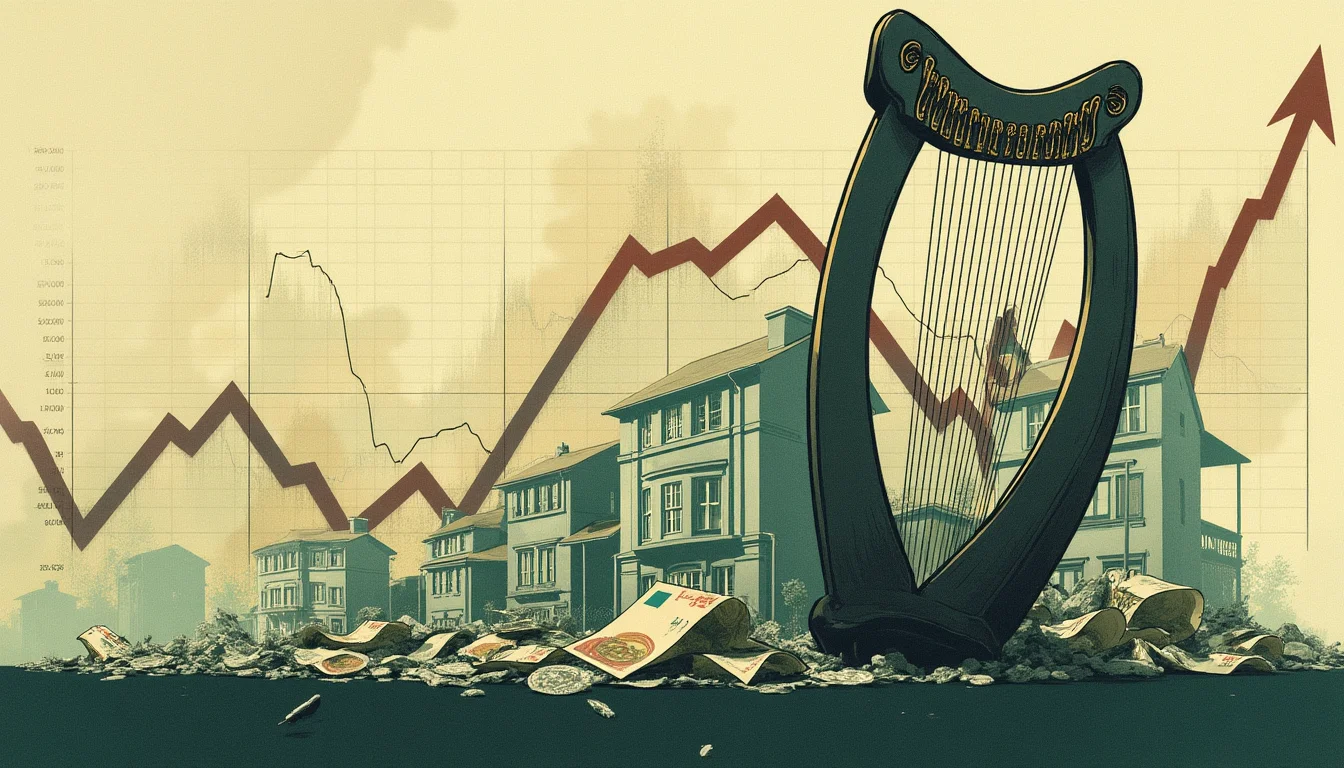
Ireland's Bank Guarantee: How 2008 Created a Generation of Fiscal Costs
Eighteen years after Ireland issued the most expensive bank guarantee in modern European history, the political and fiscal mechanics of its regulatory aftermath offer a precise warning template for any small economy where property and banking have become mutually dependent.

Australia's Household Debt-to-Income Ratio at 185%: What Japan 1989 and Denmark 2007 Can Teach Us
Australia's household debt-to-income ratio has reached levels that historically preceded severe property corrections in Japan, Denmark, and the Netherlands, raising serious questions about the sustainability of current valuations.

Trump Allies Target Federal Reserve Independence as Dollar Regime Stress Tests Global Currency Intervention
Renewed political pressure on the Federal Reserve, combined with fading rate-hike expectations and a reassessment of traditional portfolio hedges, is straining the currency intervention regimes that emerging and developed market central banks rely on to anchor financial stability

Crypto Exchange Concentration in 2026: When One Venue Fails, the Whole Market Breaks
The structural dominance of a handful of centralised crypto exchanges creates systemic fragility that mirrors the platform-concentration dynamics which turned the NFT bubble's collapse from a correction into a catastrophe.

Yield Gap Inversion: Why Australian Rental Returns Below Bond Rates May Signal Property Market Risk
When residential rental yields fall persistently below government bond rates, history shows that property markets in Japan, Sweden, Ireland, and Spain all entered multi-year corrections — and Australia's current yield gap warrants serious scrutiny.

South Korean Chipmakers Crash 7% as Fed-ECB Divergence Rewrites Global Capital Allocation
A 7% single-day collapse in South Korean chip stocks, triggered by AI valuation jitters and amplified by central bank policy divergence, exposes how misaligned monetary regimes create the same capital misallocation dynamics that preceded John Law's Mississippi Company catastrophe

Yen at 1980s Lows: 1970s Commodity Cycle Mechanism Returns
As the yen craters to four-decade lows and emerging-market currencies erase 2026 gains against a resurgent dollar, the monetary fault lines that ignited the 1970s commodity supercycle are re-emerging in structurally familiar form.

AI Data Centres Echo 1998-2002 Telecom Bubble
The $2 trillion telecom infrastructure mania of the late 1990s — which left 95% of laid fibre dark and destroyed companies like Global Crossing and WorldCom — offers a precise structural template for evaluating the current AI data centre build-out.

Retail Exits, Institutions Enter: How Crypto's ETF Era Rewrites the 2017 Demand Stack
The shift from retail-driven ICO mania to institutionally structured Bitcoin ETF flows marks a fundamental change in who owns crypto — but history suggests that institutional arrival near cycle peaks carries its own distinct risks.

Australia's Housing Shift: What Happened in Japan, Ireland, Sweden
As Australia's net overseas migration decelerates from its post-pandemic peak and the domestic fertility rate falls to historic lows, the structural demand assumptions underpinning two decades of property price growth face their most serious challenge since the early 1990s.

Yen Weakness and Iran Oil: How 1987-Style Shocks Hit Markets
The yen's collapse to a four-decade low and rapidly shifting US-Iran diplomacy illustrate how geopolitical supply shocks can cascade through currency and commodity markets in ways that institutional risk models consistently underestimate — a pattern with direct echoes of Black Mo