Market Bubble Analysis & Commentary
Daily commentary on the speculative excesses, valuation extremes, and structural risks shaping global markets right now. Articles cover equities, property, crypto, commodities, and the macro forces that drive boom-and-bust cycles, with frequent reference to historical parallels documented in the encyclopedia. Each piece is written to translate complex market signals into clear, actionable context for long-term investors.
Analysis falls into four recurring categories — historical-parallel pieces that map a current market condition onto a documented past bubble; crypto-market-cycle notes that track halving positioning, stablecoin reserves, and exchange-concentration risk; property-market-risk pieces that examine credit availability, household debt, and rental-yield gaps; and global-market-risk articles that focus on yield-curve signals, central-bank divergence, and sovereign-debt sustainability. The category badge on each card identifies which lens the article uses.
Every article is written to a strict editorial standard. Specific numbers must be traceable to live indicator data or supplied source text. Speculative phrasing is avoided. Articles below an 800-word threshold are rejected and regenerated. Pieces flagged for review are held back rather than published with disclaimers. Use this feed to track how today's risks are evolving and where the next mania may already be forming.
The pipeline that produces these articles draws on a structured set of inputs: a daily-refreshed table of macro indicators (Shiller CAPE, Buffett Indicator, US 10-year yield, MOVE index, Bitcoin dominance, stablecoin reserves, household debt-to-GDP, and roughly forty others), a curated news feed scraped from central-bank statements, regulatory filings, and major financial outlets, and the full encyclopedia of historical bubbles for parallel-matching. The model is instructed to flag any indicator reading that crosses a documented historical threshold and to anchor its analysis in that signal rather than in sentiment or narrative.
Editorial independence matters. Bubblepedia does not accept sponsored placements inside analysis articles, and affiliate links — where they appear — are confined to clearly labelled blocks separated from the body copy. We do not short or hold leveraged positions in any asset discussed, and we do not publish price targets or trade recommendations. The goal is structural understanding: helping readers recognise the shape of a bubble before it bursts, and the shape of a recovery before it begins. Bookmark this page or subscribe to the weekly digest to follow the analysis as it evolves.

Bitcoin Halving Cycle Yield Farming Returns to 400% APY as Institutional Positioning Mirrors DeFi Summer's 2020 Liquidity Mining Frenzy
Bitcoin halving cycle positioning has revived yield farming protocols offering 400% APY returns, recreating the same institutional liquidity mining strategies that drove DeFi Summer's $15 billion bubble before systematic collapse.

Australian Banks Reduce Home Loan Rates Despite RBA's Restrictive Policy, Creating Credit Market Contradiction
Australian banks' simultaneous rate cuts despite central bank resistance echo Spain's contradictory credit policies that preceded the 2008 property market collapse, as lending standards tighten while mortgage accessibility increases.

Indonesia's Yield Curve Steepening Signals Term Premium Collapse as Bond Market Stress Mirrors South Sea Company's Debt Monetization Crisis
Indonesia's bond market turmoil and yield curve steepening reflect term premium breakdown that parallels the South Sea Company's catastrophic attempt to monetize government debt in 1720.

SpaceX Orbital Data Centers Echo Evergrande's 2021 Pre-Sale Crisis
SpaceX's orbital data center financing through pre-sales mirrors Evergrande's catastrophic model of using customer deposits to fund future projects, creating similar liquidity risks in space infrastructure.
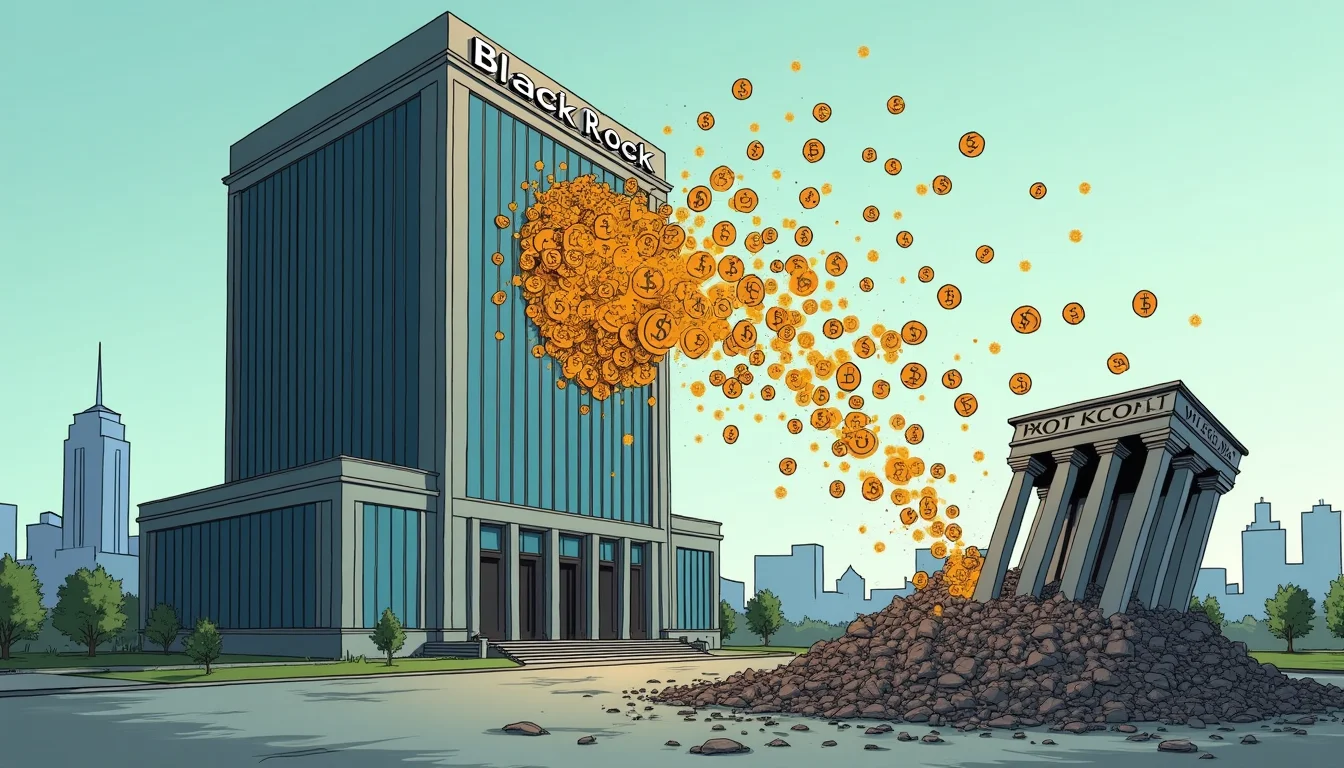
Bitcoin ETF Outflows Echo 2013 Mt. Gox Concentration Crisis
BlackRock's Bitcoin ETF recorded its largest weekly outflows since launch as institutional investors retreat from crypto exposure, echoing the exchange concentration risks that preceded the 2013 Mt. Gox collapse.

Australia's Net Migration Slowdown to 306,000 Echoes Ireland's 2007 Population Peak Before Property Market Collapse
Australia's declining net overseas migration mirrors Ireland's demographic inflection point that preceded its catastrophic property crash, as population growth drivers weaken while housing supply remains elevated.

China's Tech IPO Dominance Triggers U.S. Capital Flight as Geopolitical Supply Shock Creates Investment Migration Paralleling Meme Stock Bubble's Retail Exodus
China's capture of global tech IPO listings is creating a geopolitical supply shock in U.S. capital markets, driving investment migration patterns that mirror the 2021 meme stock bubble's retail investor exodus from traditional markets.

AI IPO Pipeline's Retail Investor Base Mirrors China's Property Market Mass Speculation as $3.6 Trillion Valuation Echoes Evergrande's Peak Leverage
The $3.6 trillion AI IPO pipeline is attracting the same mass retail speculation that drove China's property bubble, with individual investors chasing transformative technology promises just as Chinese households bet their savings on real estate appreciation.

Bitcoin Miners Abandon Equipment as Hash Rate Collapses Like 1849 Gold Rush
Bitcoin mining hash rate has plummeted 31% since March as energy costs force widespread equipment abandonment, paralleling the 1849 California Gold Rush when miners abandoned claims after easy gold deposits were exhausted.

Australia's Construction Sector Hits 8.2% of GDP as Finland's 1990 Property Crash Demonstrates Risks of Economic Over-Dependency
Australia's construction industry now represents 8.2% of GDP, approaching the dangerous dependency levels that preceded Finland's devastating 1990s property market collapse and banking crisis.

Taiwan Bond Yields Hit 2008 Crisis Levels Amid Debt Fears
Taiwan's five-year government bond yields have surged to their highest levels since 2008, signaling mounting sovereign debt sustainability concerns that parallel Greece's pre-crisis fiscal deterioration patterns.

Fed's Balance Sheet Stalls Like Japan's 1990s Bubble Trap
The Federal Reserve's balance sheet reduction has effectively stalled at $7.2 trillion amid political pressure, echoing Japan's failed attempts to normalize monetary policy after its 1990s asset bubble collapse.

Tether's Treasury Risk Mirrors 1984 Bank Crisis Parallels
Tether's $127 billion in Treasury holdings now surpass Sweden's central bank reserves, creating dangerous collateral concentration risks that mirror Continental Illinois Bank's fatal dependency on energy sector loans before its 1984 collapse.

Australia's 186% Debt Ratio Exceeds Denmark's 1987 Peak
Australia's household debt-to-income ratio has reached 186%, exceeding Denmark's 1987 peak of 180% that preceded its devastating property market collapse, while mortgage servicing costs consume record portions of household income.

Indonesia's Rupiah Defense Mirrors Thailand's 1997 Crisis
Indonesia's central bank has burned through $47 billion defending the rupiah as currency intervention tactics mirror Thailand's failed defense strategies that triggered the 1997 Asian Financial Crisis.

China's Shadow Banking Returns as Margin Lending Surges in 2025
China's margin lending has surged 340% in recent months as shadow banking structures resurface, echoing the dangerous credit expansion patterns that fueled the 2015 stock market bubble that destroyed $5 trillion in value.

Crypto Exchange Concentration Mirrors Pre-1929 Market Risks
Binance's dominance of nearly half the global cryptocurrency trading volume creates systemic risks reminiscent of Standard Oil's pre-1911 monopoly, as exchange concentration threatens market stability during the current halving cycle.
Australia's 320bp Yield Inversion Echoes Japan's 1989 Bubble
Australia's rental yields now trail 10-year government bonds by 320 basis points, matching the yield inversion that preceded Japan's catastrophic 1990 property collapse.

ECB Rate Hike Divergence Creates Liquidity Fragmentation as G7 Policy Discord Mirrors SPAC Bubble's Regulatory Arbitrage Collapse
The European Central Bank's hawkish stance creates dangerous policy divergence across G7 nations, fragmenting global liquidity flows in patterns reminiscent of the regulatory arbitrage that fueled and ultimately destroyed the SPAC bubble.

Austria Credit Rating Downgrade Breaks AAA Club as Eurozone Peripheral Spreads Echo 2012 Sovereign Debt Crisis Contagion Dynamics
Austria's loss of AAA status signals renewed eurozone fragmentation risks as peripheral bond spreads widen in patterns reminiscent of the 2010-2012 sovereign debt crisis that nearly destroyed the currency union.

Susquehanna's Prediction Market Expansion Signals Crypto Derivatives Maturation as Institutional Positioning Mirrors Late Nineteen Nineties Nasdaq Options Surge
Susquehanna's aggressive expansion into prediction markets reflects growing institutional sophistication in crypto derivatives, paralleling how options volume surged 340% during the 1999 Nasdaq bubble as professional traders positioned for volatility ahead of the crash.

Australian Bank Credit Growth Returns to 1989 Levels
Australian bank credit growth has decelerated 23% from peak levels as lenders impose stricter lending standards reminiscent of the credit tightening that preceded the 1989 property market correction.
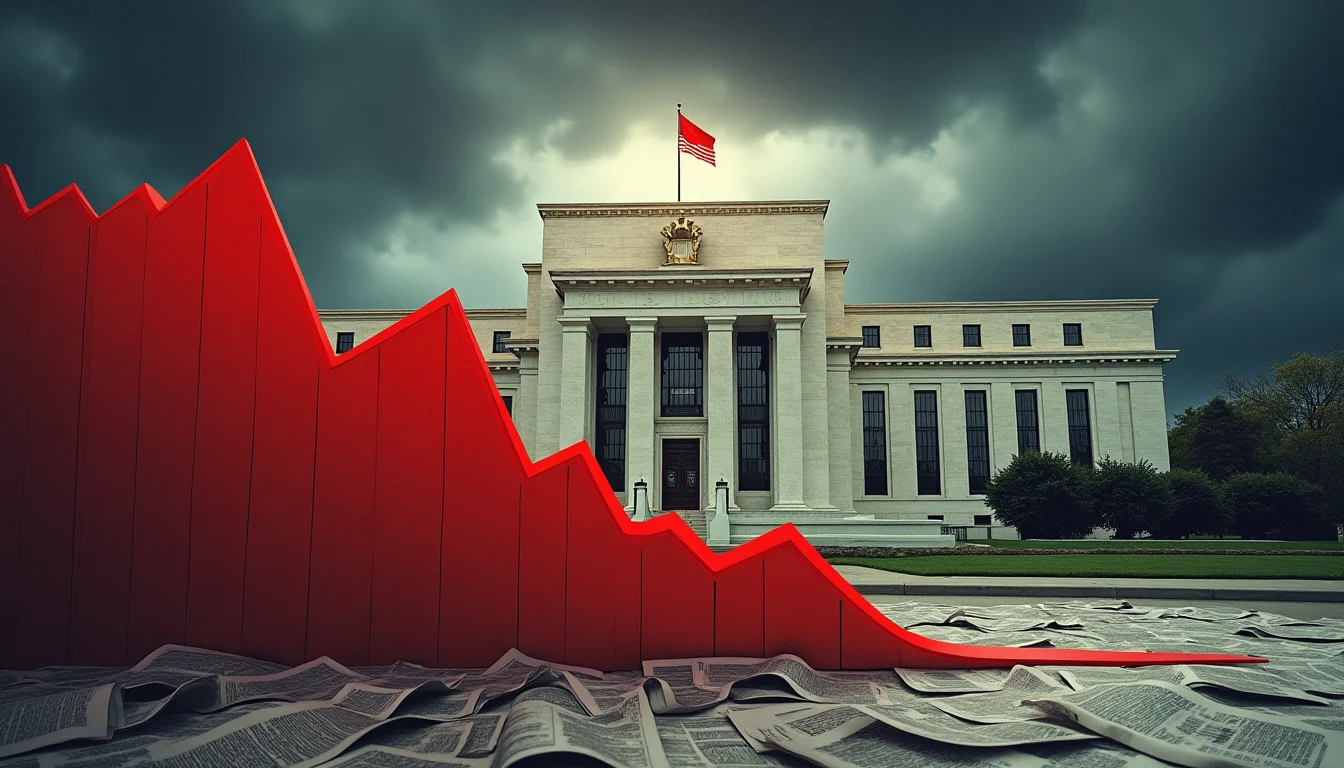
Fed Term Premium Collapse Echoes 1929 Policy Mistakes
Federal Reserve term premium inversion reaches extreme -127 basis points as economists warn aggressive rate hike expectations echo the monetary policy mistakes that preceded the 1929 crash.

SpaceX IPO Restrictions Echo Dubai's Foreign Investment Controls as Private Valuations Mirror 2008 Prestige Project Financing
SpaceX's exclusion of Chinese investors and delayed index inclusion mirrors Dubai's pre-2009 strategy of selective foreign capital access to fund ambitious infrastructure projects that ultimately required bailouts.