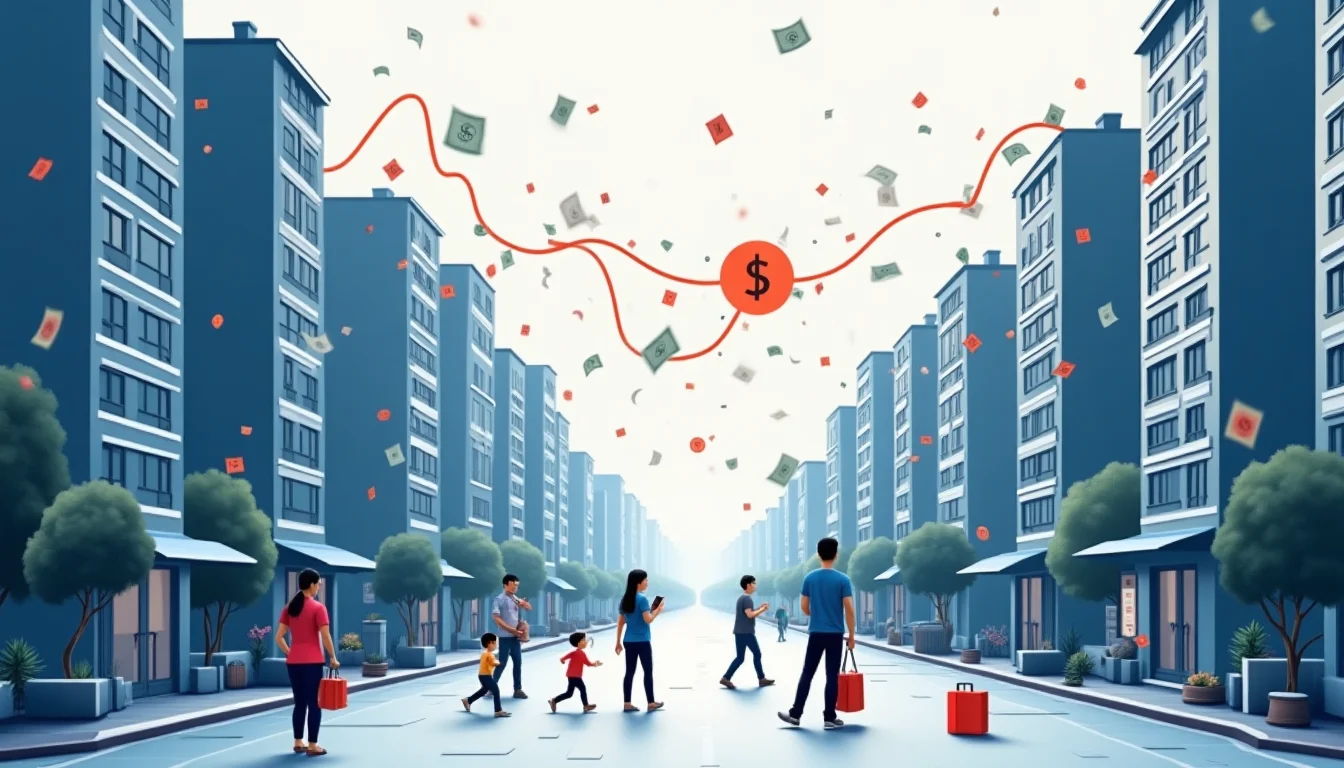
According to Bloomberg Markets, the artificial intelligence IPO pipeline has reached $3.6 trillion in aggregate valuation, with retail investors comprising a substantial portion of demand for these offerings. This mass participation by individual investors mirrors the composition of China's property bubble, where ordinary households became the primary buyers driving valuations to unsustainable levels.
Retail Speculation Drives AI Valuations
The current AI IPO wave exhibits striking parallels to China's property market in its reliance on retail investor enthusiasm. Just as Chinese families viewed property as their primary wealth-building vehicle due to limited investment alternatives, American retail investors are now treating AI stocks as the sole pathway to significant returns. OpenAI's planned IPO has already attracted substantial individual investor interest, while Anthropic's offering shows similar retail demand patterns.
This concentration of retail participation represents a fundamental shift from previous technology bubbles. During the dot-com era, institutional investors dominated IPO allocations. Today's AI market structure more closely resembles China's property sector, where individual speculators became the marginal buyers setting prices. Chinese households allocated a substantial majority of their wealth to property at the market's peak, creating systemic vulnerability when sentiment shifted.
Leverage and Speculation Patterns
The financing mechanisms supporting AI IPO demand echo China's property market dynamics. Retail investors are increasingly using margin loans to purchase AI stocks, with brokerage data showing a significant increase in AI-related margin borrowing this year. This leverage-driven participation mirrors how Chinese property buyers relied on shadow banking and informal lending to fund purchases, creating cascading risks throughout the financial system.
Market observers note similarities between the retail investor base for AI IPOs and what occurred in Chinese property markets before the correction. Individual investors with limited diversification are making concentrated bets on emerging technology, just as Chinese families concentrated their wealth in real estate appreciation.
Evergrande's collapse demonstrated how retail-driven bubbles create unique systemic risks. The company's pre-sale model relied on individual buyers making deposits years before completion, creating a massive liability overhang when sentiment turned. Similarly, AI companies are pre-selling future capabilities through IPO valuations that assume decades of growth, with retail investors providing the capital based on ambitious promises rather than current fundamentals.
Warning Signs from Chinese Property Parallels
The Chinese property bubble's participant composition offers crucial lessons for today's AI market. At its peak, the vast majority of Chinese urban households owned property, with many families owning multiple apartments as investment vehicles. This widespread participation created a false sense of security—if everyone was buying, how could prices fall?
Current AI IPO demand shows similar characteristics. Retail participation rates have reached levels not seen since the dot-com peak, with individual investors viewing AI exposure as essential rather than speculative. Survey data indicates a majority of retail investors plan to increase AI allocations regardless of valuation concerns, mirroring the "property only goes up" mentality that characterized Chinese real estate markets.
The concentration risk extends beyond individual portfolios. Pension funds and retirement accounts are increasingly weighted toward AI stocks, creating economy-wide exposure to sector-specific risks. This systemic concentration mirrors how Chinese household wealth became entirely dependent on property appreciation, making the eventual correction devastating for consumer spending and economic growth.
Institutional Warnings Ignored
Just as Chinese regulators warned about property market risks for years before implementing the "three red lines" policy, financial institutions are now raising concerns about AI valuations and retail participation. However, these warnings are being dismissed by individual investors convinced they're witnessing a permanent technological shift.
The psychological dynamics mirror China's property market precisely. Chinese buyers ignored government cooling measures and debt-to-income warnings because property had "never gone down." Today's AI investors display similar cognitive biases, viewing any skepticism as failure to understand emerging technology. This dismissal of risk warnings characterized every major bubble's final phase.
Evergrande's substantial liability structure was built on the assumption that individual buyers would continue making deposits indefinitely. When that assumption proved false, the entire model collapsed within months. AI companies' current valuations similarly assume continued retail investor enthusiasm and rising participation rates—assumptions that history suggests are dangerous to maintain.
Historical Precedent and Future Risk
The parallels between today's AI IPO market and China's property bubble extend beyond participant composition to fundamental market structure. Both markets created self-reinforcing cycles where rising prices attracted more retail participation, which drove prices higher still. Chinese property markets experienced this dynamic for nearly two decades before the inevitable correction.
In China's case, the government's "three red lines" policy in 2020 finally punctured the bubble by restricting developer financing. The collapse was swift and devastating precisely because retail investors had become so concentrated in property assets. When Evergrande and other major developers began defaulting, household wealth evaporated overnight.
Today's AI market shows similar structural vulnerabilities. The concentration of retail wealth in AI stocks creates systemic risk that extends far beyond technology sector performance. If sentiment shifts or regulatory intervention occurs, the mass retail participation that drove valuations higher could amplify any downward correction, just as it did in China's property market collapse.