Market Bubble Analysis & Commentary
Daily commentary on the speculative excesses, valuation extremes, and structural risks shaping global markets right now. Articles cover equities, property, crypto, commodities, and the macro forces that drive boom-and-bust cycles, with frequent reference to historical parallels documented in the encyclopedia. Each piece is written to translate complex market signals into clear, actionable context for long-term investors.
Analysis falls into four recurring categories — historical-parallel pieces that map a current market condition onto a documented past bubble; crypto-market-cycle notes that track halving positioning, stablecoin reserves, and exchange-concentration risk; property-market-risk pieces that examine credit availability, household debt, and rental-yield gaps; and global-market-risk articles that focus on yield-curve signals, central-bank divergence, and sovereign-debt sustainability. The category badge on each card identifies which lens the article uses.
Every article is written to a strict editorial standard. Specific numbers must be traceable to live indicator data or supplied source text. Speculative phrasing is avoided. Articles below an 800-word threshold are rejected and regenerated. Pieces flagged for review are held back rather than published with disclaimers. Use this feed to track how today's risks are evolving and where the next mania may already be forming.
The pipeline that produces these articles draws on a structured set of inputs: a daily-refreshed table of macro indicators (Shiller CAPE, Buffett Indicator, US 10-year yield, MOVE index, Bitcoin dominance, stablecoin reserves, household debt-to-GDP, and roughly forty others), a curated news feed scraped from central-bank statements, regulatory filings, and major financial outlets, and the full encyclopedia of historical bubbles for parallel-matching. The model is instructed to flag any indicator reading that crosses a documented historical threshold and to anchor its analysis in that signal rather than in sentiment or narrative.
Editorial independence matters. Bubblepedia does not accept sponsored placements inside analysis articles, and affiliate links — where they appear — are confined to clearly labelled blocks separated from the body copy. We do not short or hold leveraged positions in any asset discussed, and we do not publish price targets or trade recommendations. The goal is structural understanding: helping readers recognise the shape of a bubble before it bursts, and the shape of a recovery before it begins. Bookmark this page or subscribe to the weekly digest to follow the analysis as it evolves.
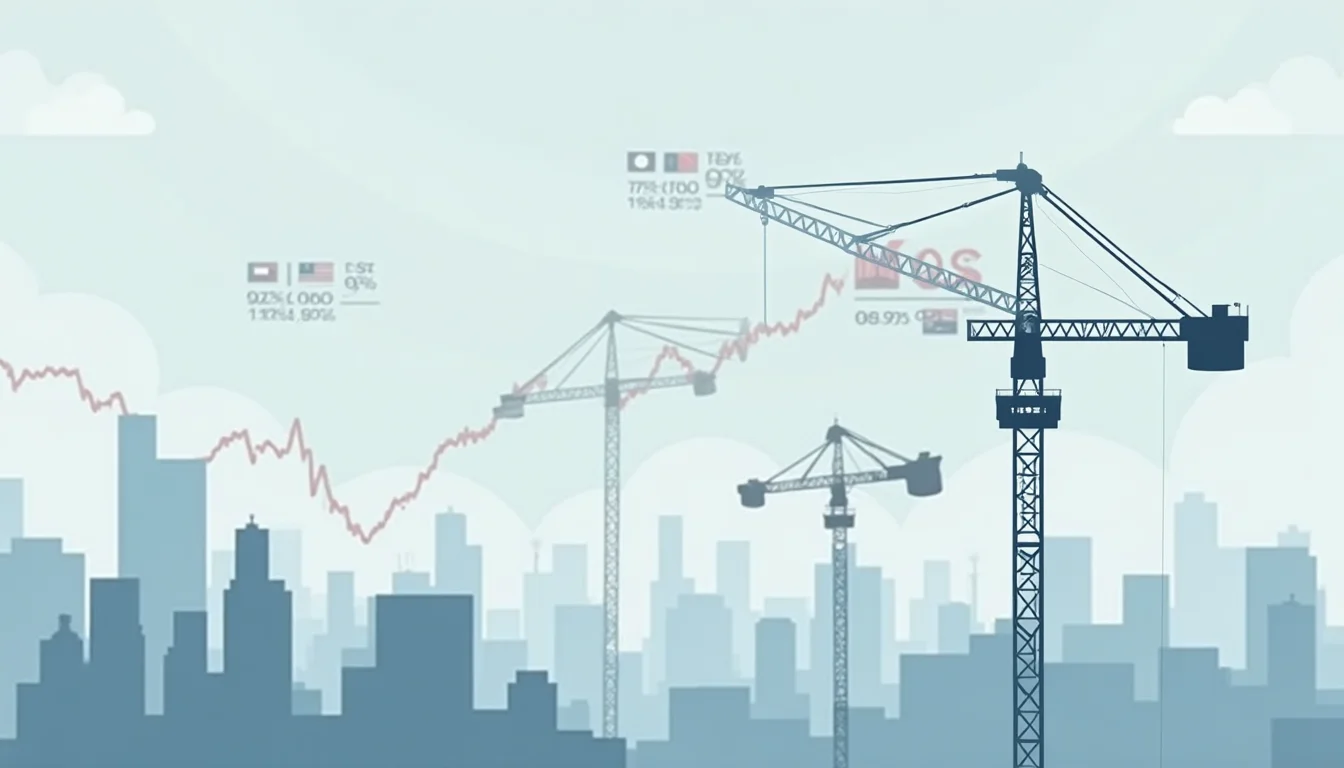
Australia's Construction Sector Dependency Raises Bubble Concerns
Australia's construction sector represents 8.2% of GDP, mirroring Japan's dangerous pre-1990 real estate bubble dependency that ultimately required a devastating economic restructuring when property speculation collapsed.

Anthropic's $965 Billion Valuation Exceeds Most Nation's GDP as AI Bubble Metrics Surpass Dot-Com Peak Revenue Multiples
Anthropic's $965 billion valuation without meaningful revenue streams creates the same fundamental disconnect between market prices and economic reality that characterized the dot-com bubble's most extreme excesses.

California's AI Talent Tax Exodus Mirrors NFT Creator Migration as Regulatory Backlash Drives Innovation Flight
California's billionaire tax targeting AI entrepreneurs is triggering the same regulatory-driven talent exodus that scattered NFT creators after 2022's market collapse, as innovation centers shift to lower-tax jurisdictions.

Tether's Treasury Holdings Echo 1931 Crisis Dynamics
Tether's massive Treasury holdings now represent a systemically significant portion of US government debt markets, creating the same single-point-of-failure risks that forced Britain off the gold standard in 1931.
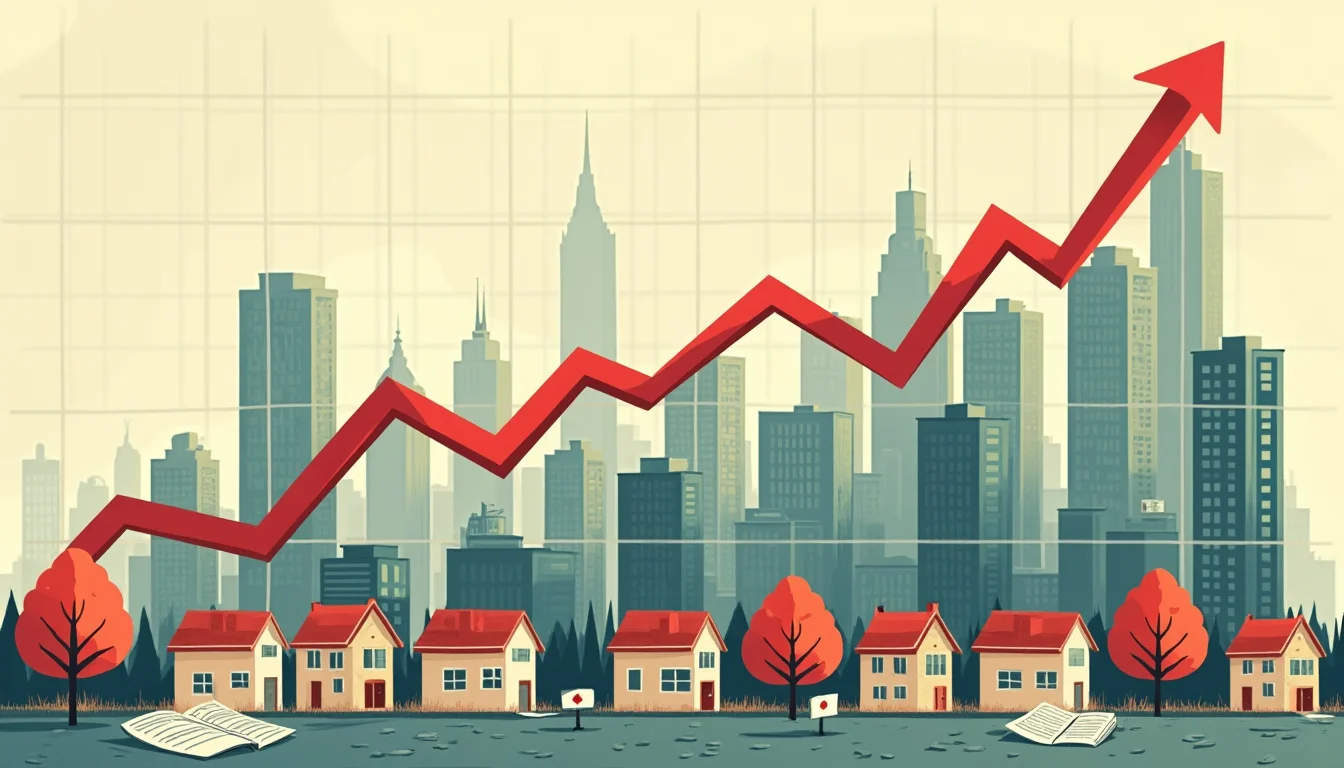
OECD Household Debt Mirrors 1920s Property Bubble Before 1929 Crash
Household debt-to-income ratios across OECD nations have reached 135% as aggressive credit expansion and property speculation echo the dangerous leverage patterns that preceded the 1929 stock market crash and subsequent real estate collapse.

BOJ Yen Defense Triggers Carry Trade Unwind Since 2020
The Bank of Japan's massive currency intervention to defend the yen is forcing global carry trade unwinding that mirrors the coordinated currency manipulation preceding the 1987 Black Monday crash.

TSMC Executive Bonuses Surge 30% as Semiconductor Leverage Mirrors 2021 Crypto Mining Hardware Speculation
TSMC's massive executive incentive increases amid AI chip demand echo the same leverage-driven compensation spirals that preceded the crypto bubble collapse.

Coinbase Market Dominance Echoes 1907 Trust Crisis
Coinbase's dominance of US Bitcoin trading has reached dangerous concentration levels not seen since the exchange failures that triggered the 2022 crypto winter.
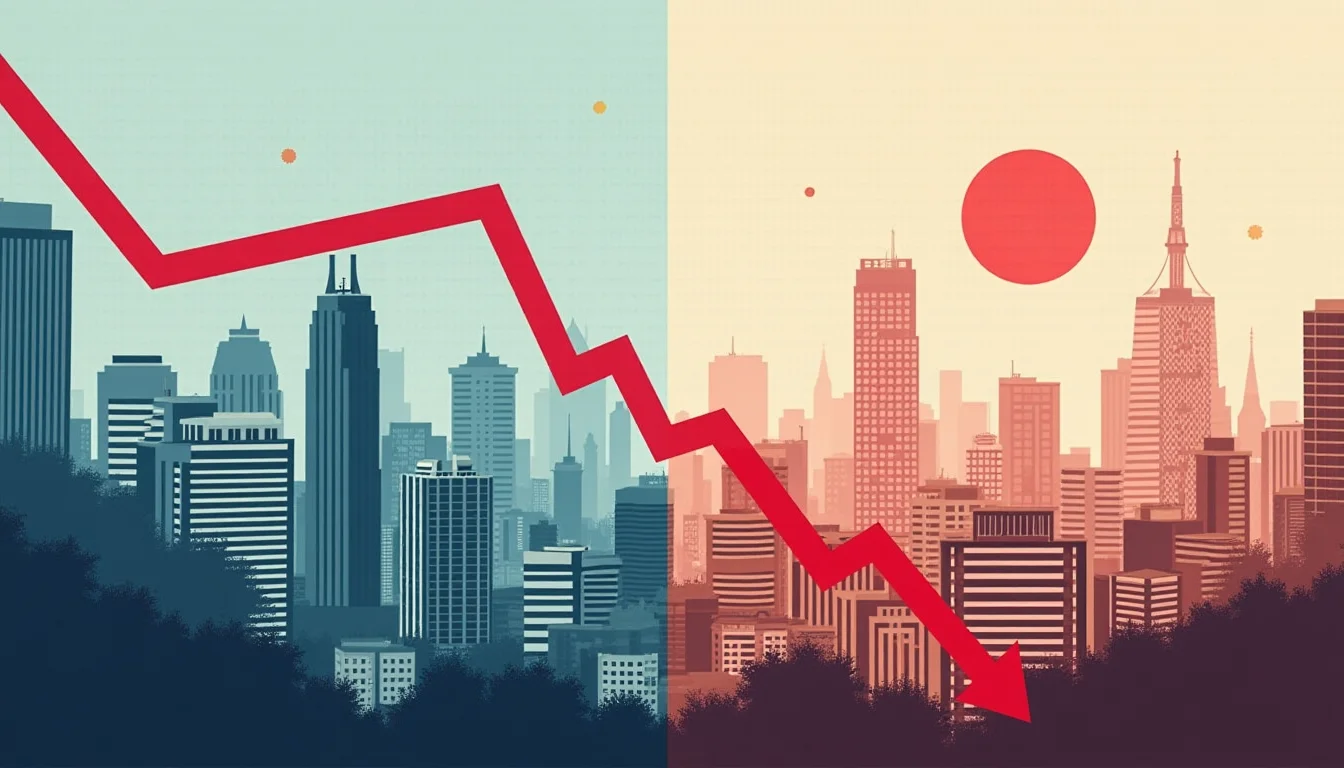
Australian Rental Yields Fall 240 Basis Points Below 10-Year Bonds as Investment Returns Mirror Japan's 1990 Real Estate Collapse
Australian property rental yields now trail government bonds by 2.4 percentage points, the widest gap since 1982, mirroring the negative real return conditions that preceded Japan's catastrophic 1990s real estate bubble collapse.

Citadel Securities Fed Warning Signals Central Bank Discord as Policy Divergence Mirrors South Sea Company's Government Debt Crisis
Citadel Securities' warning that the Fed risks falling behind the inflation curve highlights dangerous central bank policy divergence that mirrors the government debt financing crisis that enabled the 1720 South Sea Bubble.

Reddit-Driven Short Squeezes Return to AMC and GameStop as Retail Coordination Tactics Mirror 2021 WallStreetBets Playbook
Recent coordinated buying campaigns targeting heavily shorted stocks like AMC and GameStop are employing the same social media mobilization and short squeeze mechanics that drove the 2021 meme stock bubble, despite regulatory warnings and platform restrictions.

Bitcoin's Fourth Halving Cycle Positioning Mirrors 2013 Bubble Peak as Institutional Flows Accelerate Pre-Euphoria Accumulation
Bitcoin's current halving cycle positioning shows institutional accumulation patterns identical to the 2013 bubble's pre-peak phase, with exchange whale activity and AI-driven trading infrastructure suggesting euphoria remains months away.
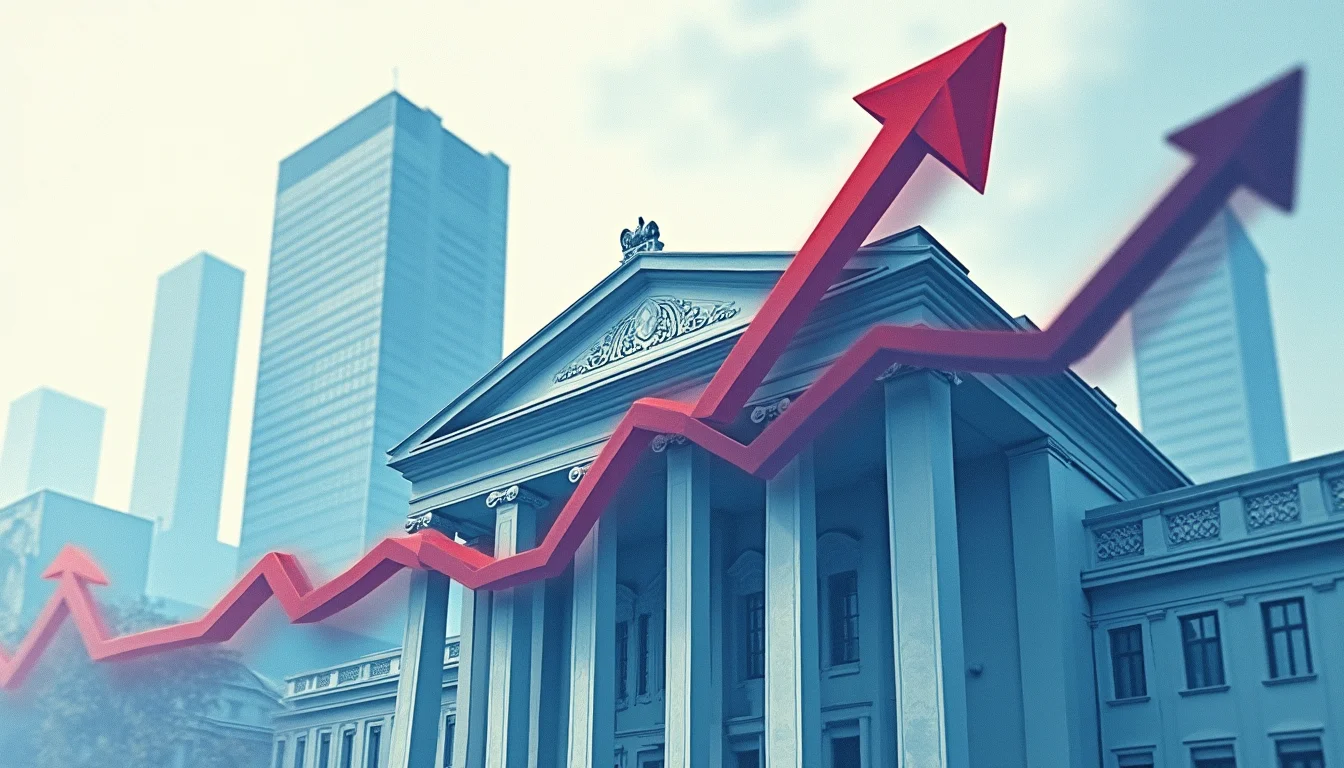
European Central Bank Inflation Revision Signals Credit Tightening as Property Markets Mirror 1980s Volcker Shock Conditions
The ECB's upcoming inflation outlook revision points to prolonged high rates that threaten property market credit availability, mirroring the credit squeeze that triggered widespread real estate collapses during Paul Volcker's 1980s monetary tightening.

Bond Market Dislocation Echoes 1994 and 2020 Crises
Bond market term premiums are exhibiting the same extreme volatility patterns that preceded the 2002 telecom infrastructure collapse, as ECB-Fed policy divergence creates structural dislocations in global fixed income markets.

Food Price Inflation Concerns Drive Investors Toward High-Yield DeFi Protocols as Fuel Costs Rise
New DeFi protocols offering extraordinary yields through governance token distribution mirror the unsustainable tokenomics that drove the 2020 DeFi Summer bubble to its eventual collapse.

SEC Delays Framework for Crypto Versions of US Stocks Amid Market Participant Concerns
Record Bitcoin ETF outflows and institutional rotation patterns are replicating the mutual fund redemption cascade that preceded the 1970 market collapse, as professional money managers abandon crypto exposure amid regulatory uncertainty.

China's Cross-Border Capital Flight Accelerates Property Market Exodus as Trading Crackdowns Mirror 1997 Asian Crisis Capital Controls
China's new cross-border trading restrictions are triggering massive capital flight that threatens global property markets, with outflow patterns echoing the capital control measures that preceded the 1997 Asian Financial Crisis.

Middle East Oil Shock Transmission Accelerates Global Equity Bubble Risk as Iran Tensions Mirror Energy Crisis Market Collapse
Escalating Iran tensions are driving oil price volatility that threatens to puncture overvalued global equity markets, with transmission patterns echoing the 1979 energy crisis that triggered the dot-com era's predecessor bubble burst.

Meme Coin Frenzy Mirrors 2017 ICO Bubble as Retail Investors Repeat Mistakes
The current meme coin speculation boom, with retail investors pouring billions into dog-themed tokens and celebrity endorsements, directly parallels the 2017 ICO bubble's pattern of unsophisticated buyers funding projects with no utility.

Bitcoin Miner Capitulation Signals Market Bottom Like 1873 Crisis
Marathon Digital's massive hash rate decline exemplifies the miner capitulation phase that historically precedes major crypto market bottoms, with network security concentration risks paralleling the railroad industry's fatal overcapacity before the 1873 panic.

Spain's Construction Sector Faces ECB Rate Pressure Like 2008
Spain's construction industry dependency has declined to 5.2% of GDP amid ECB rate hike pressures, echoing the credit tightening patterns that preceded the 2008 Spanish property collapse when construction peaked at 12% of economic output.

Korea's Retail Trading Revolution Meets Sovereign Debt Crisis as Margin Access Expansion Mirrors GameStop's Speculative Excess
South Korea's plan to expand retail margin trading tools coincides with mounting global sovereign debt sustainability concerns, creating speculative dynamics reminiscent of the 2021 meme stock frenzy.

Bitcoin's 2013-2017 Cycle: How Regulatory Patterns Repeat
China's latest cryptocurrency exchange shutdown has sparked a 40% Bitcoin decline, recreating the regulatory-driven collapse pattern that followed Mt. Gox's 2014 failure after the 2013 bubble peak.

Stablecoin Reserve Risks Mirror Historical Currency Crises
Tether's massive Treasury bond holdings and opaque reserve structure create systemic risks reminiscent of the Bank of England's fatal gold standard defense that collapsed under speculative pressure in 1931.