Market Bubble Analysis & Commentary
Daily commentary on the speculative excesses, valuation extremes, and structural risks shaping global markets right now. Articles cover equities, property, crypto, commodities, and the macro forces that drive boom-and-bust cycles, with frequent reference to historical parallels documented in the encyclopedia. Each piece is written to translate complex market signals into clear, actionable context for long-term investors.
Analysis falls into four recurring categories — historical-parallel pieces that map a current market condition onto a documented past bubble; crypto-market-cycle notes that track halving positioning, stablecoin reserves, and exchange-concentration risk; property-market-risk pieces that examine credit availability, household debt, and rental-yield gaps; and global-market-risk articles that focus on yield-curve signals, central-bank divergence, and sovereign-debt sustainability. The category badge on each card identifies which lens the article uses.
Every article is written to a strict editorial standard. Specific numbers must be traceable to live indicator data or supplied source text. Speculative phrasing is avoided. Articles below an 800-word threshold are rejected and regenerated. Pieces flagged for review are held back rather than published with disclaimers. Use this feed to track how today's risks are evolving and where the next mania may already be forming.
The pipeline that produces these articles draws on a structured set of inputs: a daily-refreshed table of macro indicators (Shiller CAPE, Buffett Indicator, US 10-year yield, MOVE index, Bitcoin dominance, stablecoin reserves, household debt-to-GDP, and roughly forty others), a curated news feed scraped from central-bank statements, regulatory filings, and major financial outlets, and the full encyclopedia of historical bubbles for parallel-matching. The model is instructed to flag any indicator reading that crosses a documented historical threshold and to anchor its analysis in that signal rather than in sentiment or narrative.
Editorial independence matters. Bubblepedia does not accept sponsored placements inside analysis articles, and affiliate links — where they appear — are confined to clearly labelled blocks separated from the body copy. We do not short or hold leveraged positions in any asset discussed, and we do not publish price targets or trade recommendations. The goal is structural understanding: helping readers recognise the shape of a bubble before it bursts, and the shape of a recovery before it begins. Bookmark this page or subscribe to the weekly digest to follow the analysis as it evolves.

Wall Street Urges Investors to Stay in Stocks Despite Late-1990s Dot-Com Comparisons
The political and regulatory fallout from the 2020–2021 meme coin bubble reshaped crypto oversight across three continents, imposing compliance costs that fell hardest on retail participants the rules were designed to protect.

Australia's Debt-Service Trap: How Rising Interest Costs Are Rewriting the Household Budget Arithmetic
As Australian households carry debt-to-income ratios near historic highs, the mechanics of debt-service compression — not price falls — may be the mechanism through which the current property cycle finally corrects.

When Governments Fix the Price of Money: Currency Intervention Regimes and the Anatomy of Systemic Collapse
History shows that fixed and managed exchange rate regimes create the same dangerous conditions of hidden imbalance and deferred reckoning that preceded the Wall Street Crash of 1929 — and today's patchwork of currency interventions deserves the same sceptical scrutiny.

Bond Trader Sentenced to 16 Years for Wrong-Way Bets That Collapsed His Firm
The 16-year prison sentence handed to a bond trader whose wrong-way bets collapsed his firm offers a textbook case study in the credit mechanics that made the Everything Bubble (2009–2022) the largest simultaneous asset inflation in recorded history — and raises pointed questions

Wall Street Maintains AI and Infrastructure Bets Despite Inflation and Rising Oil Prices
Binance's dominance of global crypto spot trading has reached levels that mirror the single-point-of-failure concentration that destroyed FTX in 2022, raising structural questions about what a disorderly exit from one exchange would mean for the entire asset class.

Fed Rate Hike Expectations Rise After US Core CPI Beats Forecasts, Diverging from ECB Easing Path
With US core CPI surprising to the upside and former Fed official Bill Dudley calling for a 25-basis-point rate hike, central bank policy divergence between Washington and Frankfurt is widening a global liquidity fault line that echoes the uncoordinated monetary conditions preced

Aareal Bank's Risk Transfer: A 2008-Style Credit Warning
Aareal Bank's engagement of Alvarez & Marsal to structure a significant risk transfer amid surging US housing supply is a textbook credit-availability turn — the same mechanism that preceded property corrections in Japan, Ireland, and the United States in 2008.
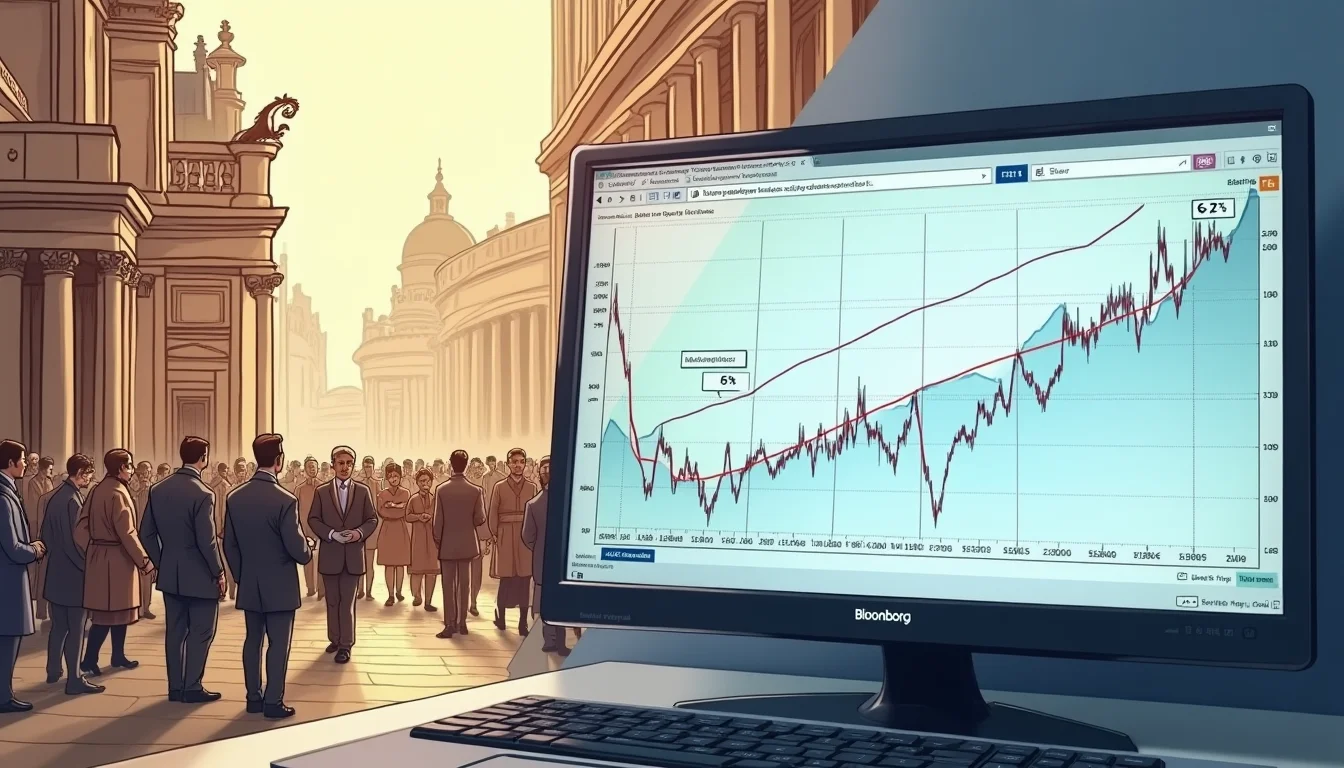
Global Bond Selloff Reshapes 10-Year Treasury Risk Pricing
A synchronised global bond selloff has pushed 10-year US Treasury yields back toward 5% in September 2026, reviving term premium signals that historically precede asset bubble corrections — and echoing the debt monetisation dynamics that destroyed John Law's Mississippi Company.

Syzygy's Arnott Warns Against Short-Selling Bubbles as U.S. Market Looks Frothy
The 2020–2022 Pokémon card bubble — driven by pandemic liquidity, social media amplification, and manufactured scarcity — offers a precise template for understanding how genuine cultural value gets hijacked by speculative excess, a pattern now visible across multiple asset classe

Oil Volatility Persists Amid Iran Uncertainty, While Korean Derivatives Risks and Yen Movements Add to Market Concerns
Simultaneous stress signals across oil, currency, and derivatives markets in September 2026 echo the structural fragility that precedes major bubble deflations — a pattern as old as the South Sea Bubble itself.

Hourly Leveraged ETFs: Wall Street's Latest Push for Short-Term Speculation
Wall Street's newest leveraged ETF products, now offering intraday reset windows as short as one hour, echo the retail speculation frenzy that drove 861 SPAC vehicles to raise $246 billion in 2020–2021 — with the same participant composition that historically signals a market top

Bitcoin Hash Ribbon Signals Miner Capitulation for Second Time in 2026
Bitcoin miner capitulation signals are intensifying in September 2026, echoing the forced-selling dynamics that preceded both the 2018 bear market bottom and the liquidity-chasing frenzy of DeFi Summer 2020.

GDP Built on Concrete: How Construction-Dependent Economies Collapse When Building Stops
When residential construction accounts for an outsized share of GDP, the economic damage from a property downturn is not merely sectoral — it becomes systemic, as Ireland, Spain, and Japan demonstrated at enormous cost.

Central Banks Bought $25 Trillion in Bonds — Now Governments Are Paying the Political Price
The zero-interest-rate era created the largest bubble in the largest asset class in history, and the regulatory and political reckoning that followed its 2022 collapse is still reshaping fiscal policy, central bank independence, and sovereign debt markets worldwide.

Tether's Reserve Opacity: The 2013 Mt. Gox Parallel
As regulators and analysts intensify scrutiny of Tether's reserve backing, the structural opacity underpinning the world's largest stablecoin echoes the custodial failures that destroyed 744,000 Bitcoin at Mt. Gox in 2013–2014.

Australia's Household Debt-to-Income Ratio at 185%: What Japan 1990 and Denmark 2008 Reveal About What Comes Next
Australia's household debt-to-income ratio has reached levels that historically preceded severe property corrections in Japan, Denmark, and the Netherlands — and the trajectory of that ratio matters as much as its absolute level.

Currency Markets Face Growing Volatility as Summer Calm Ends, Analysts Warn
As central banks across Asia and Europe strain to defend exchange rate floors amid rising volatility, the asymmetric information gap between sovereign interveners and retail speculators is creating conditions eerily reminiscent of past coordination failures.
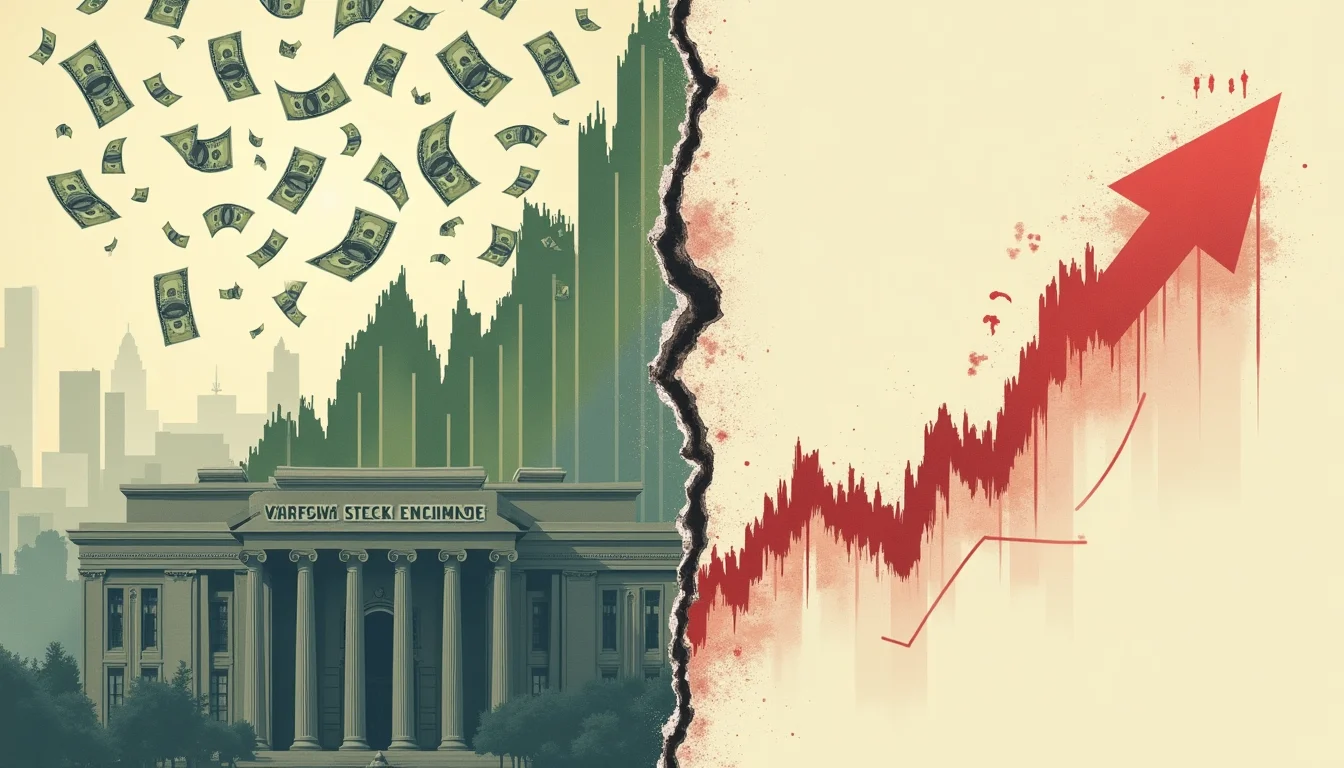
Polish Stocks Surge: Learning From China's 2015 Bubble
Poland's Warsaw Stock Exchange is outperforming US and European peers in 2026 as foreign inflows accelerate, echoing the credit-driven retail frenzy that inflated China's Shanghai Composite by 150% before its catastrophic 49% collapse in three months.

China's 260 Billion Yuan Bank Injection & Bitcoin's 2024 Halving
A massive Chinese state bank capital raise is injecting liquidity into global markets at precisely the moment Bitcoin's fourth halving cycle enters its historically most volatile phase — a confluence that past crypto cycles suggest should not be dismissed as coincidence.

When Banks Stop Lending First: Credit Contraction as the Hidden Leading Indicator in Australian Property
History shows that credit availability tightens before property prices fall — and Australia's lending conditions in 2026 are displaying the same sequential pattern that preceded busts in Japan, the United States, and Ireland.

Strong Jobs Report Raises Odds of September Fed Hike as Long-Term Bond Yields Draw Concern
A blowout US jobs report has sharply repriced Federal Reserve rate expectations for September 2026, pushing term premiums higher and reviving the kind of yield-curve distortions that historically precede speculative unwinds.

Dubai's 2004–2009 Property Collapse: When Prestige Infrastructure Becomes a Speculative Vehicle
Dubai's transformation from trading port to global luxury destination created one of the most dramatic property bubbles of the 21st century — a cautionary tale now echoing in the emirate's post-2020 revival.

Bitcoin ETF Inflows Mask a Deeper Structural Question: Who Is Actually Buying, and Why?
Surging institutional flows into Bitcoin ETFs in 2026 are reshaping crypto market structure, but the concentration of demand among a small cohort of large allocators echoes the distribution phase that preceded the 2017 ICO collapse.

Ghost Suburbs and Vanishing Tenants: What Migration Reversals Do to Property Markets
When the demographic engine powering a housing boom stalls or reverses, history shows that price corrections follow with brutal efficiency — and several advanced economies are now approaching precisely that inflection.