Market Bubble Analysis & Commentary
Daily commentary on the speculative excesses, valuation extremes, and structural risks shaping global markets right now. Articles cover equities, property, crypto, commodities, and the macro forces that drive boom-and-bust cycles, with frequent reference to historical parallels documented in the encyclopedia. Each piece is written to translate complex market signals into clear, actionable context for long-term investors.
Analysis falls into four recurring categories — historical-parallel pieces that map a current market condition onto a documented past bubble; crypto-market-cycle notes that track halving positioning, stablecoin reserves, and exchange-concentration risk; property-market-risk pieces that examine credit availability, household debt, and rental-yield gaps; and global-market-risk articles that focus on yield-curve signals, central-bank divergence, and sovereign-debt sustainability. The category badge on each card identifies which lens the article uses.
Every article is written to a strict editorial standard. Specific numbers must be traceable to live indicator data or supplied source text. Speculative phrasing is avoided. Articles below an 800-word threshold are rejected and regenerated. Pieces flagged for review are held back rather than published with disclaimers. Use this feed to track how today's risks are evolving and where the next mania may already be forming.
The pipeline that produces these articles draws on a structured set of inputs: a daily-refreshed table of macro indicators (Shiller CAPE, Buffett Indicator, US 10-year yield, MOVE index, Bitcoin dominance, stablecoin reserves, household debt-to-GDP, and roughly forty others), a curated news feed scraped from central-bank statements, regulatory filings, and major financial outlets, and the full encyclopedia of historical bubbles for parallel-matching. The model is instructed to flag any indicator reading that crosses a documented historical threshold and to anchor its analysis in that signal rather than in sentiment or narrative.
Editorial independence matters. Bubblepedia does not accept sponsored placements inside analysis articles, and affiliate links — where they appear — are confined to clearly labelled blocks separated from the body copy. We do not short or hold leveraged positions in any asset discussed, and we do not publish price targets or trade recommendations. The goal is structural understanding: helping readers recognise the shape of a bubble before it bursts, and the shape of a recovery before it begins. Bookmark this page or subscribe to the weekly digest to follow the analysis as it evolves.

BlackRock's Bitcoin ETF Outflows Signal Institutional Rotation: How Professional Money Mirrors the 1999 Tech Fund Exodus
Sustained outflows from major Bitcoin ETFs despite price stability suggest institutional investors are quietly rotating away from crypto, mirroring the professional money exodus that preceded the dot-com crash.
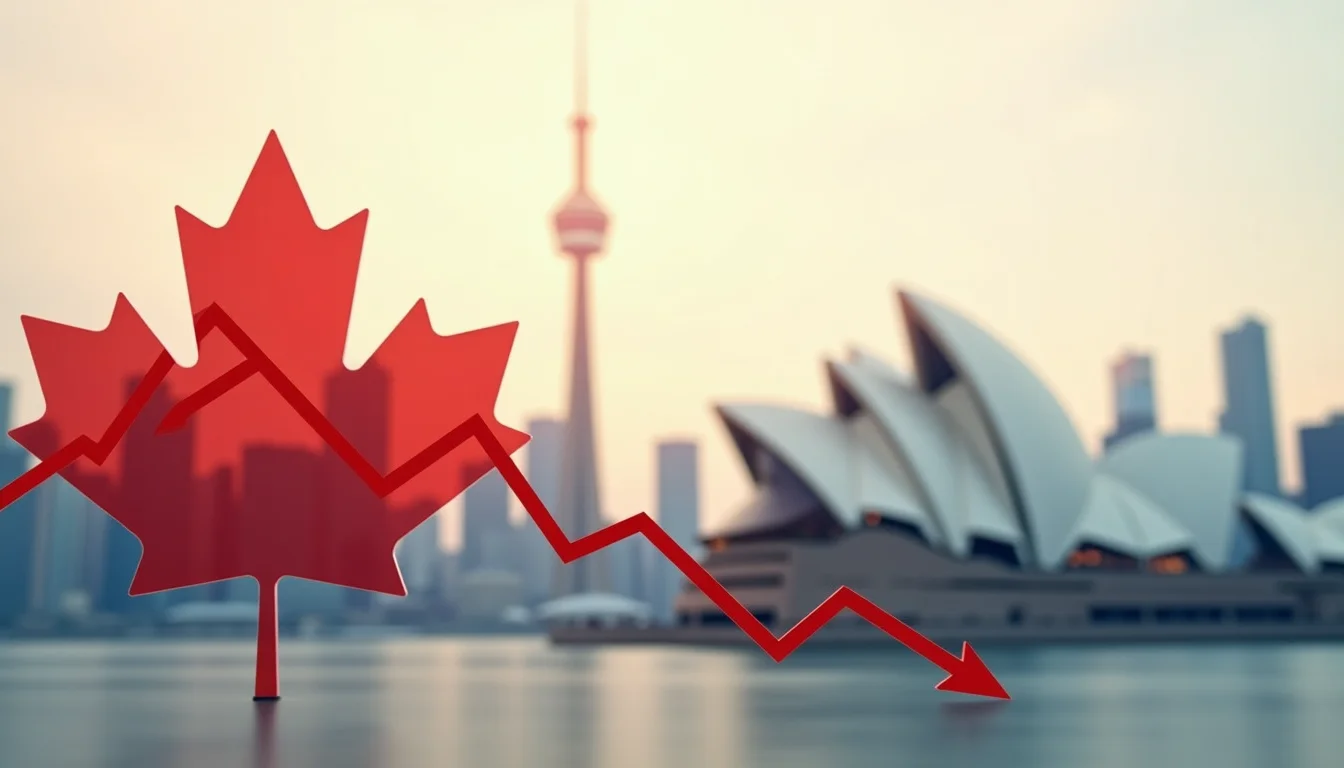
Canada's Immigration Reversal Signals Property Market Reckoning: How Demographic Policy Shifts Echo Australia's 2018 Foreign Buyer Correction
Canada's sharp reduction in immigration targets alongside Toronto's nascent housing recovery mirrors Australia's 2018 foreign buyer policy reversal that triggered a prolonged property correction.

Indonesia's Dual Crisis Defense: How Simultaneous Currency and Growth Management Echoes Thailand's Fatal 1997 Balancing Act
Indonesia's central bank intervention to defend the rupiah at record lows while maintaining 5.6% growth acceleration mirrors Thailand's doomed attempt to preserve both currency stability and economic expansion before the Asian Financial Crisis.

The Gulf Petrodollar Property Revival: How Current Middle East Real Estate Echoes Dubai's Pre-2009 Speculation Frenzy
Rising geopolitical tensions and oil price volatility are driving a new wave of Gulf property speculation that mirrors the dangerous dynamics of Dubai's 2004-2009 bubble.

The Institutional Legitimacy Mirage: How Corporate Crypto Adoption Mirrors the Railroad Mania's False Validation
The surge in corporate cryptocurrency adoption and institutional infrastructure development parallels the false legitimacy that drove Britain's 1840s Railway Mania to catastrophic heights.

The Warzone Property Speculation Paradox: How Ukraine Investment Echoes Beirut's 1982 Reconstruction Bubble
Poland's PZU acquisition of MetLife Ukraine signals dangerous warzone property speculation reminiscent of Beirut's 1982 reconstruction boom that collapsed when peace proved temporary.

The Currency Intervention Trap: How Japan's Defensive Yen Operations Echo Britain's Doomed 1992 ERM Defense
Japan's escalating yen interventions, with Goldman Sachs estimating capacity for 30 more operations, mirror Britain's futile £15 billion defense of sterling within the European Exchange Rate Mechanism before Black Wednesday's collapse.

Banking Concentration Risk: How 1995-2008 Ireland Mirrors Today's Small Economies
Small open economies today are replicating Ireland's pre-2008 banking concentration in property lending, where three banks held 60% of mortgage market share before requiring a €440 billion government guarantee.
The Crypto Winter's End Mirage: How Selective AI-Driven Recovery Mirrors the False Dawn of March 2000
Current cryptocurrency market dynamics, with AI-related tokens surging while broader digital assets stagnate, mirror the selective technology rally of March 2000 that preceded the dot-com bubble's final collapse.

The Yield Curve Inversion Paradox: How Rising Long-Term Rates Amid Inflation Echo the 1970s Stagflation Property Crash
Rising 30-year Treasury yields approaching 5% while inflation accelerates mirrors the 1970s yield curve dynamics that preceded a devastating property market collapse, as current real estate valuations remain vulnerable to the same interest rate shock that triggered widespread mor

The Synchronized Global Divergence Bubble: How Coordinated Central Bank Policy Failures Mirror the Pre-1931 Gold Standard Collapse
Current global monetary policy divergences, with the US maintaining restrictive rates while other nations ease amid rising inflation, replicate the fatal coordination failures that preceded the 1931 gold standard collapse and Great Depression.

The Construction GDP Trap: How Today's Real Estate Dependencies Echo Spain's Catastrophic Property Bubble
Current economies with outsized construction sectors mirror Spain's pre-2008 bubble dynamics, where building represented 12% of GDP before triggering a decade-long recession and 27% unemployment.

The AI Semiconductor Euphoria: How Today's Chip Rally Mirrors the Dot-Com Hardware Frenzy of 1999-2000
The current semiconductor rally, with chip stocks rising in 21 of 23 trading sessions amid AI speculation, exhibits the same momentum-driven dynamics and supply chain bottleneck narratives that characterized the networking equipment bubble preceding the dot-com crash.

The Alternative Investment Boom: How Wealthy Flight from Traditional Assets Mirrors Pre-Crash Speculation Patterns
The surge in alternative investments from dinosaur fossils to private credit reflects the same wealthy investor flight from traditional assets that preceded major market collapses in 1929 and 2000.

The Geopolitical Risk Premium Bubble: How War-Driven Market Distortions Echo the Oil Shocks of the 1970s
Current geopolitical tensions are creating artificial risk premiums across asset classes that mirror the market distortions of the 1973-1979 oil shock era, when conflict-driven supply disruptions triggered cascading bubbles in commodities, currencies, and defensive assets.

The Private Credit Time Bomb: How Today's $1.8 Trillion Shadow Banking Boom Mirrors the Subprime Machine of 2007
The explosive growth of private credit markets to $1.8 trillion, driven by yield-hungry investors and loose underwriting standards, is recreating the same originate-to-distribute dynamics that fueled the 2008 subprime mortgage crisis.
Crypto's Fourth Winter: $10,000 to $69,000 Mirrors 1979-1980 Gold Bubble
Cryptocurrency markets are exhibiting the same boom-bust cycle patterns that characterized historical commodity super-cycles, with Bitcoin's 2021-2024 trajectory eerily paralleling the oil shocks of the 1970s and the precious metals bubble of 1979-1980.

The Interest Rate Pivot Trap: How Central Bank Policy Reversals Echo the Property Collapses of 1989 and 2007
Central banks' abrupt pivot from dovish to hawkish monetary policy to combat geopolitical inflation mirrors the policy reversals that triggered devastating property market collapses in Japan (1989) and the US subprime crisis (2007).

The Intervention Cascade: How Currency Market Rescues Echo the Plaza Accord's Dangerous Precedent
Japan's recent yen intervention mirrors the coordinated currency manipulation of the 1985 Plaza Accord, which ultimately triggered asset bubbles and economic instability that took decades to resolve.
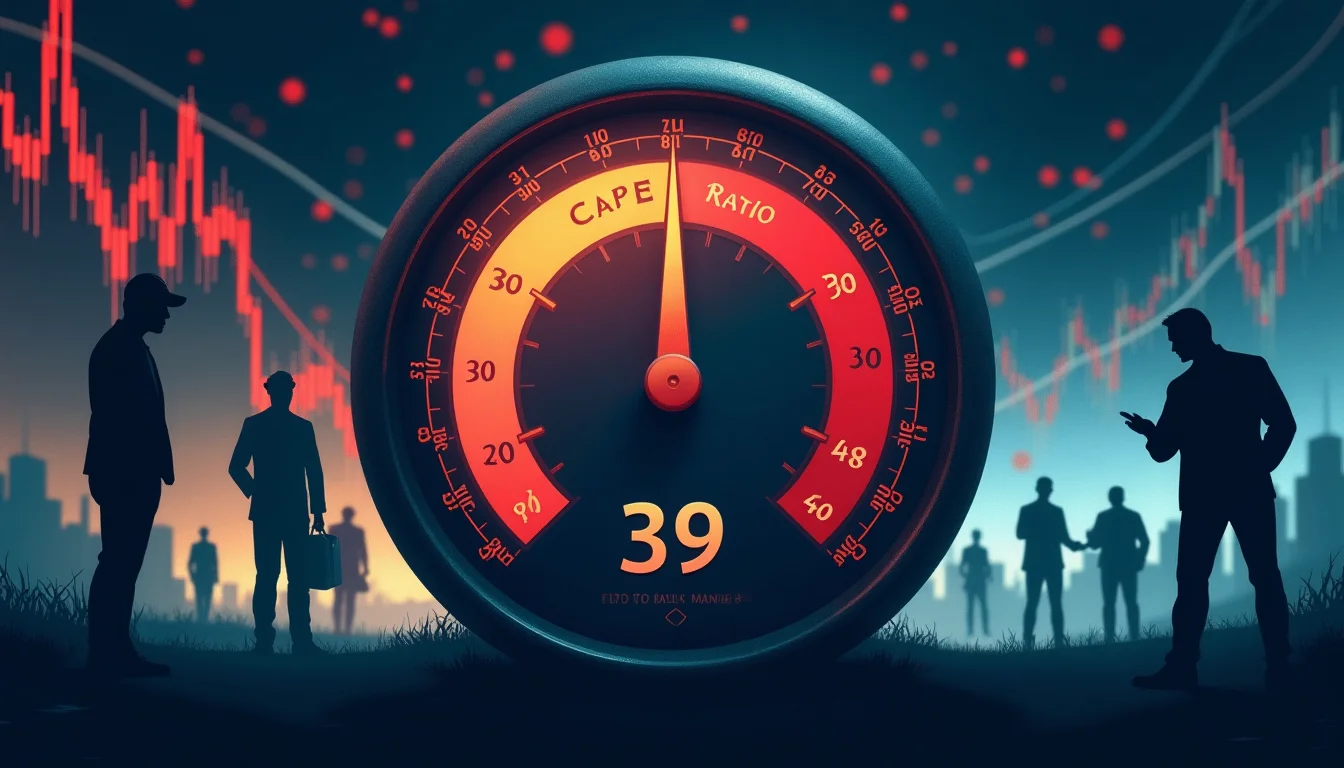
The CAPE Ratio Warning: How Today's 39x Valuation Echoes the Peak Euphoria of 1929 and 2000
With the Shiller CAPE ratio at 39—well above its long-term average of 17 and approaching the dangerous territory that preceded the 1929 crash and dot-com collapse—US equity markets are displaying the same valuation extremes that historically signal decade-long periods of poor ret

The Crypto Correlation Trap: How Digital Assets Mirror Traditional Risk Assets in Times of Crisis
Cryptocurrency markets increasingly move in lockstep with traditional risk assets during geopolitical crises, abandoning their promised role as uncorrelated alternatives and echoing the dangerous convergence patterns seen before historical market collapses.

The Bond Vigilante Awakening: How Rising Long-Term Rates Echo the 1980s Property Market Reckoning
The 30-year Treasury yield breaching 5% signals a potential revival of bond vigilante pressure that historically devastates leveraged property markets, mirroring the brutal real estate corrections of the early 1980s.

The Central Bank Paralysis Pattern: How Coordinated Rate Holds Echo Pre-Crisis Policy Gridlock
The simultaneous decision by major central banks to hold rates unchanged amid geopolitical crisis mirrors the dangerous policy paralysis that preceded historical financial catastrophes, from the 1970s stagflation trap to the 2008 pre-crisis freeze.

The Great Divergence: How Global Property Markets Mirror the Fragmented Collapse of the 1990s Japanese Real Estate Empire
As global property markets enter divergent phases with some countries cutting rates while others hold firm, the pattern mirrors Japan's fragmented regional property collapse of the 1990s, where different prefectures experienced vastly different timing and severity of corrections.