Market Bubble Analysis & Commentary
Daily commentary on the speculative excesses, valuation extremes, and structural risks shaping global markets right now. Articles cover equities, property, crypto, commodities, and the macro forces that drive boom-and-bust cycles, with frequent reference to historical parallels documented in the encyclopedia. Each piece is written to translate complex market signals into clear, actionable context for long-term investors.
Analysis falls into four recurring categories — historical-parallel pieces that map a current market condition onto a documented past bubble; crypto-market-cycle notes that track halving positioning, stablecoin reserves, and exchange-concentration risk; property-market-risk pieces that examine credit availability, household debt, and rental-yield gaps; and global-market-risk articles that focus on yield-curve signals, central-bank divergence, and sovereign-debt sustainability. The category badge on each card identifies which lens the article uses.
Every article is written to a strict editorial standard. Specific numbers must be traceable to live indicator data or supplied source text. Speculative phrasing is avoided. Articles below an 800-word threshold are rejected and regenerated. Pieces flagged for review are held back rather than published with disclaimers. Use this feed to track how today's risks are evolving and where the next mania may already be forming.
The pipeline that produces these articles draws on a structured set of inputs: a daily-refreshed table of macro indicators (Shiller CAPE, Buffett Indicator, US 10-year yield, MOVE index, Bitcoin dominance, stablecoin reserves, household debt-to-GDP, and roughly forty others), a curated news feed scraped from central-bank statements, regulatory filings, and major financial outlets, and the full encyclopedia of historical bubbles for parallel-matching. The model is instructed to flag any indicator reading that crosses a documented historical threshold and to anchor its analysis in that signal rather than in sentiment or narrative.
Editorial independence matters. Bubblepedia does not accept sponsored placements inside analysis articles, and affiliate links — where they appear — are confined to clearly labelled blocks separated from the body copy. We do not short or hold leveraged positions in any asset discussed, and we do not publish price targets or trade recommendations. The goal is structural understanding: helping readers recognise the shape of a bubble before it bursts, and the shape of a recovery before it begins. Bookmark this page or subscribe to the weekly digest to follow the analysis as it evolves.

Meta Sells $15 Billion of Dollar Bonds on Election Day, Then Seeks Up to €9 Billion in Euros
Meta raised $15 billion through a five-part US dollar bond offering on Election Day, then launched a separate debut euro bond sale seeking up to €9 billion, whose final size is not confirmed in available reporting.

Democrats' Congressional Sweep Ends Crypto Industry's Two-Year Washington Advantage
Following Democratic gains in the 2026 midterm elections, the crypto industry faces a sharp political reversal after two years of favorable Republican-controlled government. Despite spending over $200 million on the midterms, the industry lost key races including Ohio's Senate co

Kate Moore's Bond Rejection: When Citi's Chief Investment Officer Walks Away From Fixed Income
As a senior investment strategist, Kate Moore, CIO of Citi Wealth, disclosed she personally holds no bonds and is comfortable accepting market volatility—a signal of institutional skepticism about fixed-income valuations and duration risk.

Bank of England's Hawkish November Hike Collides with Global Equity Rout
The Bank of England raised rates while UK markets plunged alongside global equities, trapping policymakers between inflation control and financial stability.

Paraguay's Ueno Bank Scandal Exposes Regulatory Capture in Latin America's Financial Margins
An Inter-American Development Bank investigation of Paraguay's Ueno Bank revealed red flags in a sleek Asuncion office that catered to the poorest depositors—raising questions about how a bank connected to a Trump ally operated outside normal oversight.

Japan's AI Trade Rout: When Sector Rotations Trigger Cross-Border Equity Crashes
Japanese equity futures plunged 6.2% after a US tech selloff, signaling how concentrated AI exposure and policy shifts now synchronize global market contagion faster than the yen appreciation mechanism of the 1980s.

SEC Updates Small-Entity Definitions for Investment Firms After Nearly 30 Years — Raising Questions About Regulatory Flexibility and Market Structure
The SEC amended thresholds for small investment companies and advisers to reflect three decades of asset-industry growth, indexing them to inflation every 10 years—a procedural update with implications for how future regulations will be tailored.

BMW's Accelerated Rollout and China Profit Warning Signal Automotive Industry Under Stress
BMW accelerates new model launches while cutting profit forecasts, citing weakness in China's automotive market as structural headwinds intensify across the sector.

NSE Profit Surges 23% in First Earnings Since September IPO, as Volatility Drives Derivatives Trading
India's National Stock Exchange reported net income of 25.8 billion rupees ($272 million) in fiscal Q2 2026, up 23% year-over-year, powered by heightened market volatility and robust trading volumes following its September 2026 public listing.

India's Household Debt Surge at 36% Annual Growth Tests Resilience as Interest Rates Rise
India's household borrowing surged 36% in a year, raising questions about whether consumer spending is sustainable as interest rates climb and debt-servicing costs accelerate.

US Chipmakers Enter Technical Correction as Oil Plunges on Iran Diplomacy
A 12% three-day selloff in US semiconductor stocks has pushed the Nasdaq 100 into technical correction territory, while oil prices fell sharply on hopes for diplomatic progress in the Iran conflict.

Anthropic's Nasdaq Debut: How a Three-Year-Old AI Startup Joined History's Largest IPO Cohort
Anthropic, founded by former OpenAI researchers in late 2020, filed for its Nasdaq IPO in October 2026, positioning itself among the largest tech offerings in history as AI infrastructure spending and mega-cap valuation concentration reshape capital markets.

Australia's Home Prices Slide Into 40-Year Bear Market as RBA Prepares Rate Hike
Australian home prices tumbled 1.4% in October for a seventh consecutive monthly decline, tracking toward the largest 40-year drop as the Reserve Bank readies another interest rate increase.

Morgan Stanley's Wilson Sees Tactical Dips Ahead; 9% S&P 500 Pullback Could Present Entry for Long-Term Investors
Morgan Stanley's chief US equity strategist Mike Wilson identifies midterm elections, AI spending stress, and liquidity constraints as potential 'clearing events' that could temporarily depress the S&P 500 by 9% to 7,100, before a recovery that transcends election outcomes.
Hedge Funds Push Euro Short Bets to Six-Year High Amid French Political Turmoil
Hedge funds have pushed bearish euro bets to their highest level since 2020 even as chipmakers post their worst weekly run since November, exposing how private speculative debt and sovereign fiscal strain are converging into a single risk.

Billionaires Chase Zcash's 3,000% Rally, Putting Stablecoin Reserves in Focus
As bitcoin's multi-year rally draws a new wave of billionaire capital, the stablecoin reserves quietly settling most crypto trades remain the least scrutinized part of the system.
Australian Household Debt: Reading the RBA Ratio Correctly
The RBA’s quarterly debt-to-income series provides a dated national measure, not a debt estimate for every individual household.

Pokémon's 30th Anniversary Card Rally Fueled by Credit and Buy Now, Pay Later Spending
The 2026 Pokémon card surge is being financed by buy-now-pay-later plans, credit-card floor stock, and loans against ungraded slabs — an informal leverage structure with no margin call mechanism to stop it.

Tech-Stock Selloff Drags Down Copper as Risk Appetite Sours
A fresh bout of tech-stock risk aversion is exposing how much of crypto's liquidity still runs through a small handful of exchanges, a concentration pattern that proved fatal during the NFT bubble's collapse.

When Landlords Pay to Own: Australia's Negative Rental Yield Gap Echoes Japan's Bubble Years
Australian rental yields now sit below government bond yields in every major capital, a gap that historically appears only in the late stages of property bubbles, as seen in Japan before 1991.
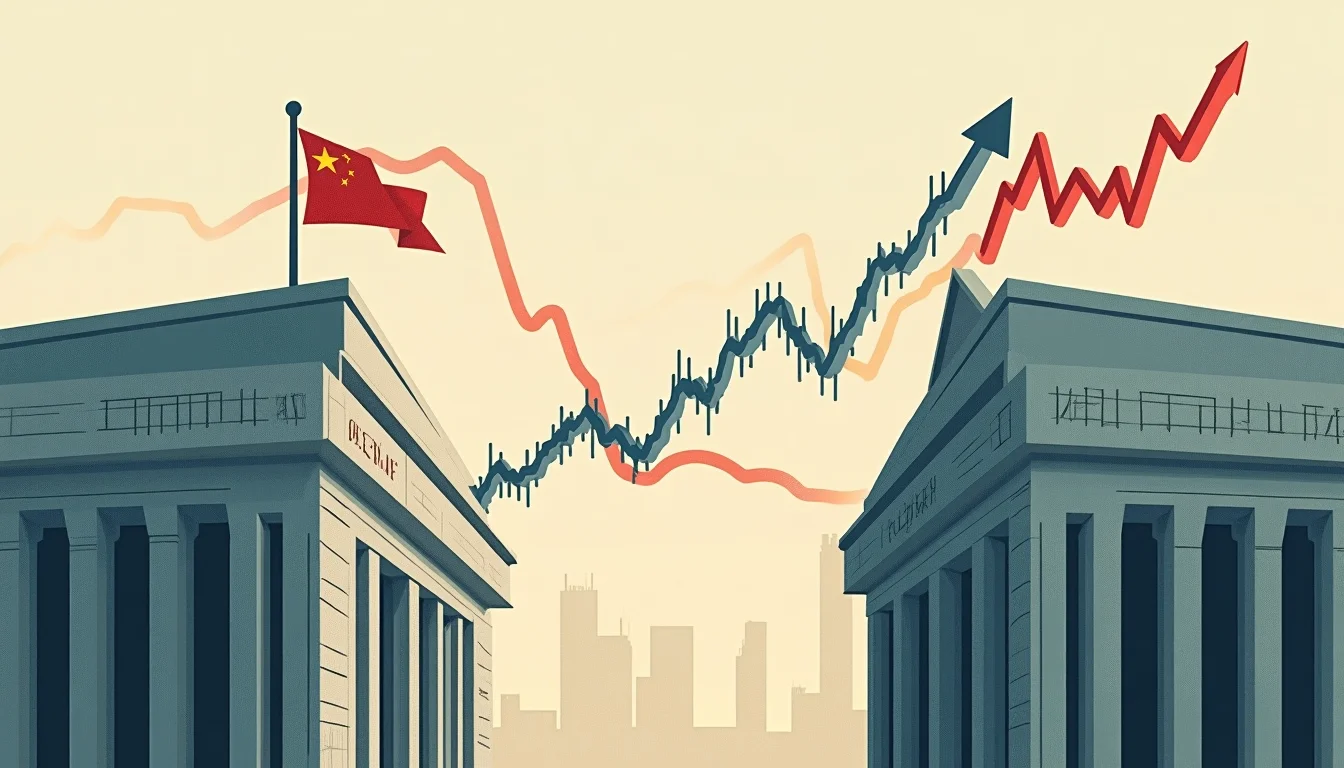
Chinese Stocks Face Bear Market as AI Rally Fades Since 2024
Chinese equities are sliding toward a bear market as Beijing's policy support and AI-driven optimism fade, just as the Federal Reserve's divergent path and megacap AI spending keep US valuations near record highs.

India's Rupee Crisis and Bitcoin's 2024 Halving: A Familiar Pattern
Bitcoin is now 30 months past its April 2024 halving — well beyond the 12-to-18-month window that has historically marked prior cycle peaks — just as emerging-market currency stress revives crypto's old role as a capital-flight valve.

Kochie: One Data Release Will Decide RBA's Next Rate Call
A looming Reserve Bank of Australia rate decision highlights how small shifts in lending standards, not just interest rates, have historically marked the turning point in property bubbles.

Spain's Immigration Boom Shows What Happens When Australia's Migration Engine Shifts Into Reverse
Spain's mid-2000s property bubble was built on one of the fastest immigration surges in developed-world history — and its collapse offers a warning as Australia's own record migration intake begins to slow.