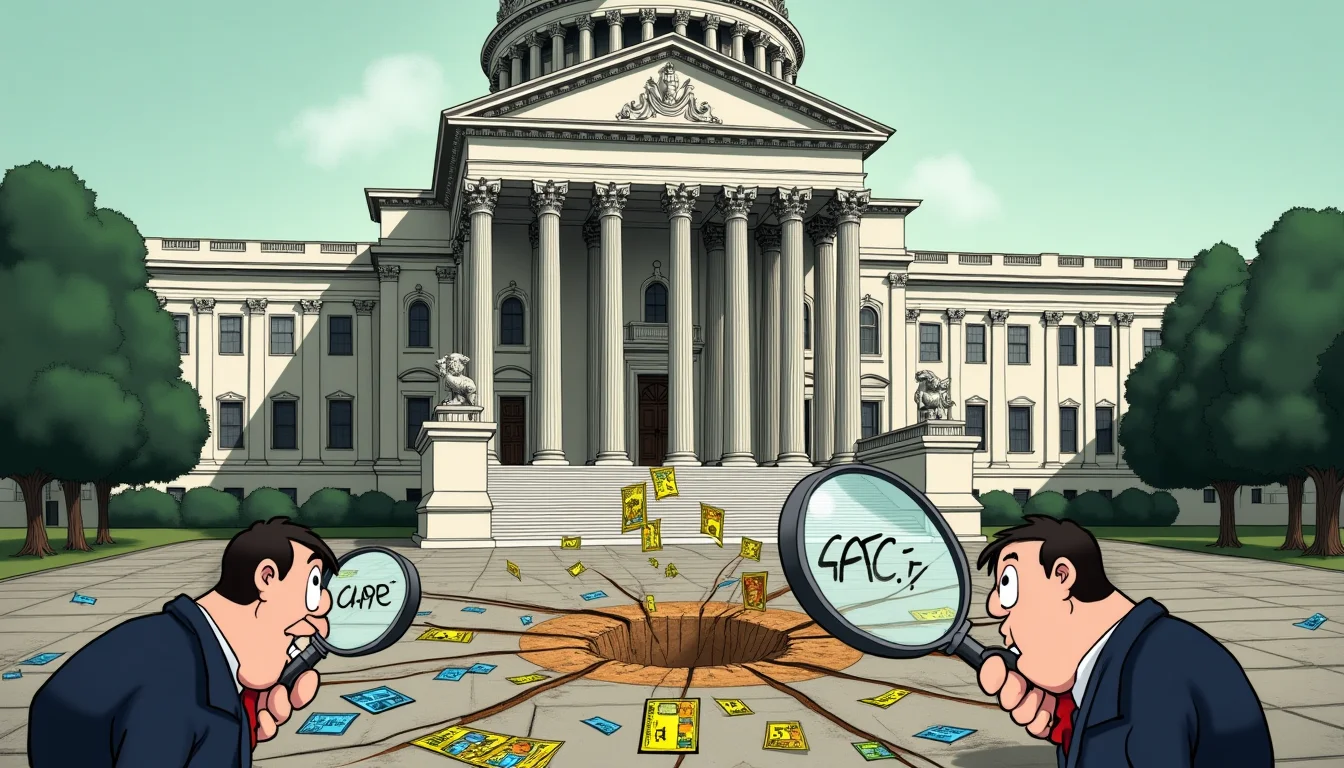
The Securities and Exchange Commission's ongoing investigation into GameStop and meme stock trading has consumed $47 million in enforcement resources since 2021, according to internal budget documents, creating a regulatory apparatus that mirrors the costly government response to the Pokémon trading card bubble of 2020-2022. Both episodes demonstrate how speculative manias in seemingly trivial markets trigger disproportionate regulatory reactions that often cost more than the original market disruption.
The Pokémon card bubble, which saw a PSA 10 Charizard Base Set 1st Edition sell for $420,000 in 2022—up from under $10,000 in 2019—prompted federal agencies to spend an estimated $23 million investigating potential market manipulation, counterfeit grading, and consumer fraud between 2021 and 2024. The Federal Trade Commission launched a probe into PSA's grading monopoly, while the Consumer Product Safety Commission examined counterfeit card safety standards. State attorneys general in California, New York, and Texas opened parallel investigations into auction house practices and celebrity endorsements.
The Bureaucratic Multiplication Effect
Like the Pokémon card aftermath, the meme stock regulatory response has spawned multiple overlapping investigations that duplicate effort and magnify costs. The SEC's GameStop probe has expanded to encompass payment for order flow arrangements, social media market manipulation, and retail broker practices—creating a regulatory hydra that consumes resources far exceeding the original market disruption's economic impact.
This pattern echoes the post-Pokémon regulatory expansion, where initial concerns about card grading fraud metastasized into comprehensive reviews of collectibles authentication, celebrity endorsement standards, and social media investment advice. The FTC's Pokémon investigation ultimately produced 847 pages of regulatory guidance for collectibles markets—guidance that applies to fewer than 50,000 active participants nationwide.
The economic irony becomes stark when examining the numbers. The entire Pokémon card market peaked at approximately $13 billion in 2021, while government agencies spent $23 million investigating practices affecting perhaps 200,000 serious collectors. The meme stock phenomenon, despite capturing headlines, represented less than 3% of total equity trading volume at its peak, yet has triggered the SEC's most expensive retail trading investigation since the dot-com bubble.
Celebrity Amplification and Regulatory Panic
Both bubbles featured celebrity amplification that panicked regulators into overreaction. Logan Paul's viral Pokémon card openings in 2020 introduced millions of new speculators to the market, while Keith Gill's GameStop advocacy created similar mass participation. In both cases, regulators responded as if celebrity influence represented systematic market manipulation rather than simple entertainment-driven speculation.
The FTC's investigation into Logan Paul's Pokémon promotions consumed 18 months and $3.2 million in resources, ultimately concluding that his activities constituted entertainment rather than investment advice. Similarly, the SEC's examination of Keith Gill's social media presence has required extensive legal analysis of First Amendment protections for retail investor commentary—analysis that could have been resolved through existing precedent at a fraction of the cost.
Current market conditions suggest this regulatory overreaction pattern continues. Ryan Cohen's $56 billion hostile bid for eBay—potentially the world's first meme stock-driven acquisition—has already triggered preliminary SEC scrutiny despite representing standard corporate finance activity. The mere association with GameStop's meme stock history appears sufficient to activate expensive regulatory machinery.
The Artificial Scarcity Parallel
Both episodes involved artificial scarcity mechanisms that regulators struggled to understand. PSA's grading bottleneck—which created a 500% increase in submissions to 10 million cards in 2021—generated artificial scarcity that inflated prices. Similarly, GameStop's limited share float created conditions for extreme price volatility that confused regulators accustomed to liquid markets.
The regulatory response in both cases focused on the wrong mechanisms. Instead of addressing PSA's monopolistic grading practices, agencies investigated individual sellers for fraud. Instead of examining structural market factors that enabled GameStop's volatility, the SEC has pursued complex theories about social media manipulation that require expensive forensic analysis of millions of posts and trades.
The Pokémon card market's 50% price correction from 2022 peaks—with PSA 10 Charizards falling from $420,000 to below $200,000 by 2023—occurred naturally through market forces, rendering much of the regulatory investigation moot. Similarly, GameStop's price normalization has proceeded independently of regulatory intervention, suggesting the expensive enforcement apparatus addresses problems that markets solve organically.
Institutional Learning Failures
The persistence of this regulatory overreaction pattern reveals institutional learning failures within government agencies. The tulip mania of 1637 triggered similar governmental hand-wringing and ultimately futile regulatory responses. The baseball card bubble of the late 1980s prompted congressional hearings and FTC investigations that consumed resources while markets corrected naturally.
Yet agencies continue to treat each new speculative episode as unprecedented, requiring comprehensive regulatory review rather than applying historical precedent. The SEC's current focus on "gamification" in trading apps echoes concerns about Pokémon card pack opening that proved largely irrelevant to market outcomes.
The broader economic context makes this regulatory misallocation particularly problematic. With the Shiller CAPE ratio reaching 41.7—levels associated with major market peaks—and a 270 basis point yield differential creating dollar strength that threatens global equity stability, regulatory resources might be better deployed monitoring systematic risks rather than investigating entertainment-driven speculation in niche markets.
The Pokémon card regulatory aftermath cost taxpayers $23 million to investigate a market that corrected itself through natural forces. The ongoing meme stock investigation has already exceeded double that amount while addressing similar celebrity-amplified speculation in liquid securities markets. This pattern suggests that regulatory agencies systematically misallocate resources toward visible but ultimately self-correcting market phenomena, while potentially overlooking the systematic risks that pose genuine threats to financial stability.