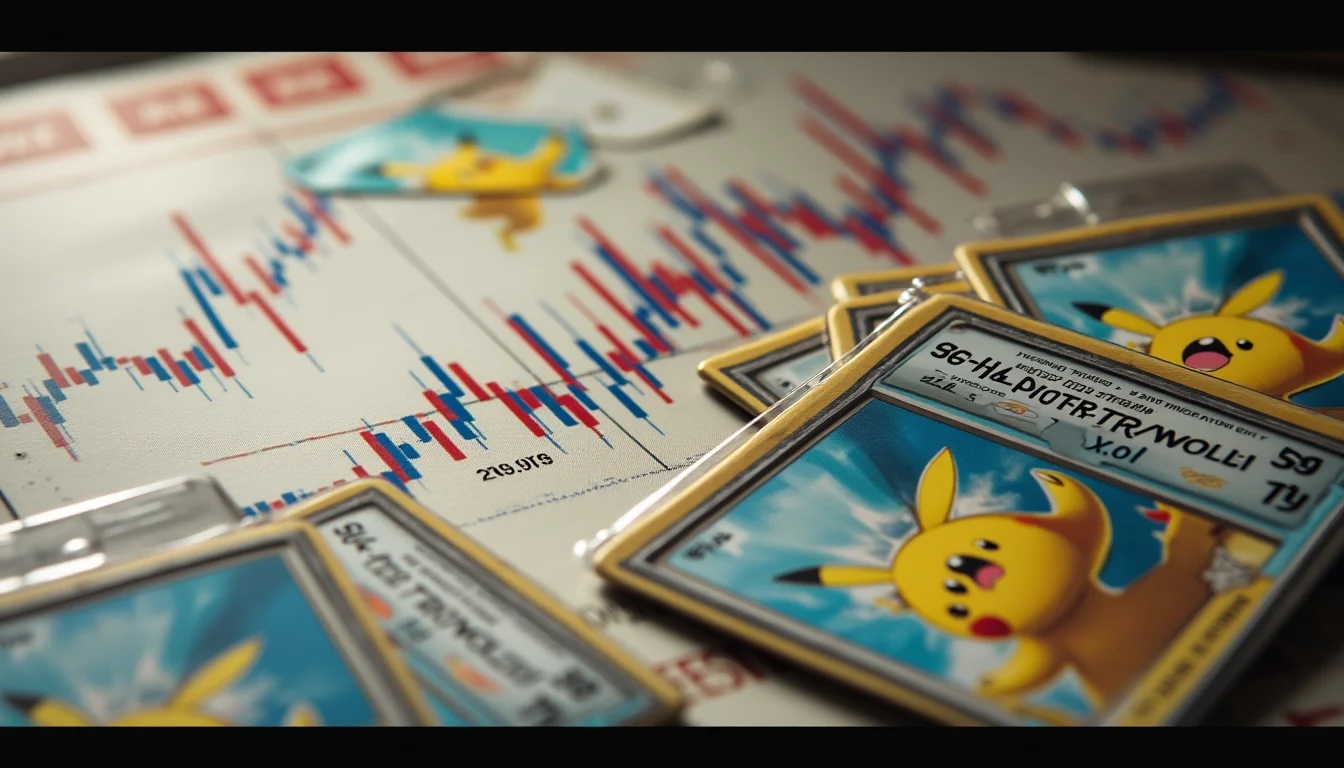
The Pokémon trading card market is exhibiting speculative behavior reminiscent of previous market cycles, with modern booster boxes reportedly posting significant annual gains and search interest for card values appearing to reach elevated levels. According to Bloomberg Markets, market observers note patterns that may mirror credit stress dynamics seen in other speculative markets, as collectors increasingly appear to rely on borrowed capital to chase returns in sealed products.
Market reports suggest modern ungraded cards and booster boxes have seen substantial year-on-year price increases, reportedly driven by Pokémon's anniversary celebration. Certain rare cards have allegedly experienced significant price appreciation over short periods. Meanwhile, search interest for Pokémon card values appears to have reached elevated levels, potentially surpassing previous peak periods.
The Leverage Anatomy: Credit-Fueled Speculation Returns
What makes the current surge particularly noteworthy is reports of increased reliance on credit mechanisms that may have been less prevalent during earlier market cycles. Unlike previous periods which may have been primarily cash-driven, the current wave reportedly shows signs of leverage-dependent speculation. Collectors are reportedly increasingly using personal loans, credit card advances, and other financing methods to purchase sealed products, potentially creating debt-driven dynamics similar to those seen in other speculative markets.
The Pokémon TCG Pocket mobile app has reportedly generated substantial revenue and created millions of new touchpoints to the brand. This digital gateway may function similarly to platforms that have historically facilitated speculation, potentially democratizing access while obscuring underlying risks. New collectors may enter through mobile games, progress to physical cards, and discover apparent arbitrage opportunities in sealed products without fully understanding market dynamics.
Dual Market Structure: Vintage Stability vs Modern Speculation
The current market reportedly exhibits a bifurcation that may mirror historical patterns. Vintage cards appear to continue steady appreciation, supported by established scarcity and collector demand. These premium cards may function as alternative assets with documented price history and some institutional recognition.
Modern sealed products, by contrast, may show speculative characteristics with uncertain fundamental value. Booster boxes for recent sets reportedly trade at multiples that may be sustained primarily by speculation and anniversary-driven interest. This dual structure may echo historical market patterns where established assets maintained reasonable valuations while speculative items reached extreme multiples.
The PSA Grading Bottleneck Parallel
Reports suggest the current market may be experiencing grading bottlenecks similar to previous cycles. Major grading services are reportedly experiencing extended turnaround times as submission volumes increase. This dynamic may create artificial scarcity by removing cards from circulation during grading, potentially inflating prices for available inventory.
Grading companies may continue to accept high submission volumes while facing capacity constraints. This dynamic may transform grading from a service into a speculative mechanism, as collectors potentially submit cards not for collection purposes but to capture grading premiums.
Anniversary Catalyst and Market Timing
Pokémon's anniversary appears to have provided narrative catalyst for market activity. Anniversary sets and special releases may have created scarcity events that justified speculative positioning. However, underlying demand may prove to be largely synthetic, driven by collectors anticipating future appreciation rather than genuine collecting interest.
This anniversary-driven speculation may mirror historical technology market patterns, where milestone-related narratives justified extreme valuations despite uncertain fundamentals. Calendar events may provide convenient justification for speculation, but anniversaries are predictable events that may not sustain exponential price growth indefinitely.
Read the full Is the Pokémon Card Market in a New Bubble? The 2026 Surge and the Warning Signs entry in the Bubblepedia Encyclopedia for detailed analysis of the market structure and historical precedents.
Warning Signs and Historical Precedent
The current Pokémon card market may exhibit characteristics of speculative activity. Elevated search interest, potentially leverage-dependent participation, artificial scarcity mechanisms, and market bifurcation may point toward potential correction risks. The timing and severity of any correction remains uncertain.
Historical precedent suggests that credit-fueled asset manias may experience more volatile corrections than cash-driven markets. When leveraged participants face financial obligations, they may be unable to hold positions through downturns. Forced selling may create cascading price declines that exceed corrections warranted by fundamental overvaluation alone.
For collectors and investors, considerations include: distinguishing between genuine scarcity and artificial speculation, avoiding leverage in illiquid markets, and recognizing that anniversaries are marketing events rather than guaranteed investment catalysts.