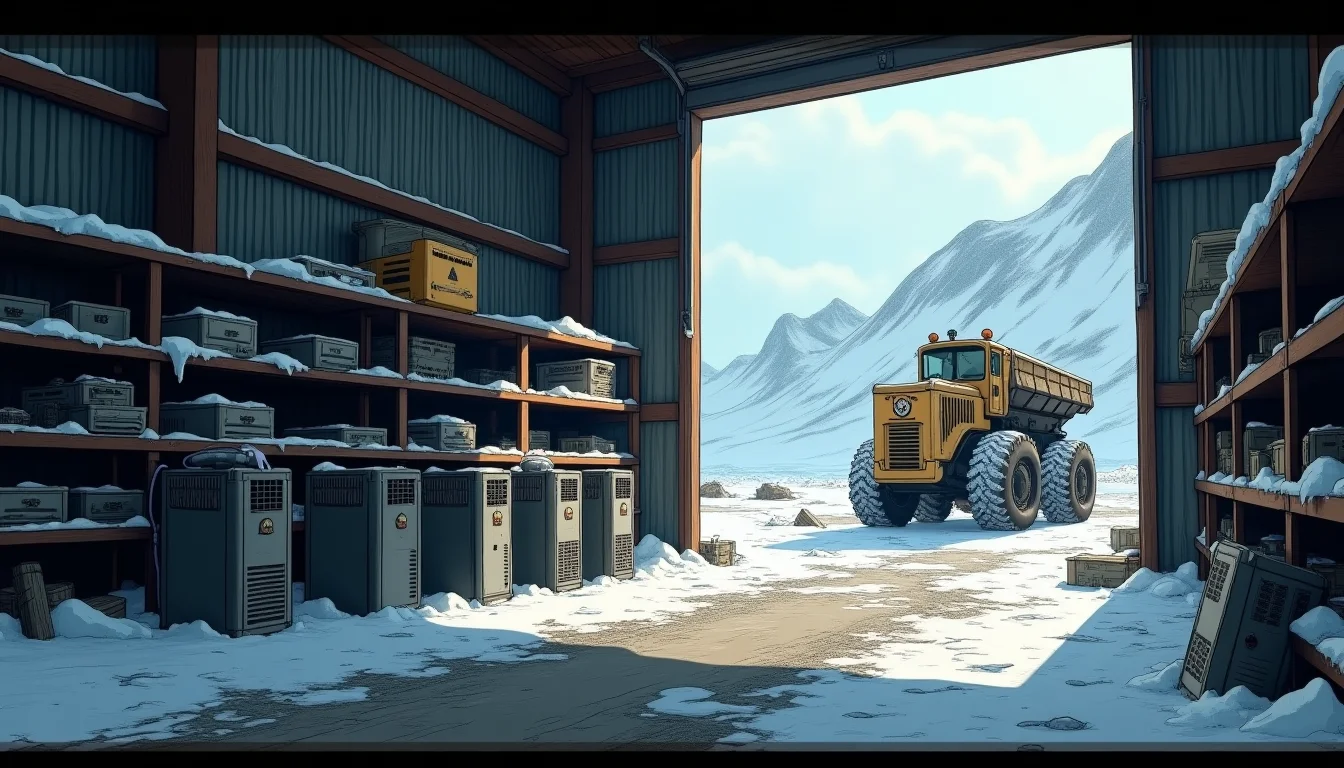
Bitcoin mining operations are experiencing significant capitulation, with mining difficulty dropping substantially over recent adjustment periods as equipment liquidations reach high levels. The ongoing Iran conflict is driving energy costs to unsustainable levels for marginal operators, creating challenging conditions across the mining industry.
Mining Equipment Abandonment Accelerates
The current miner capitulation mirrors the brutal economics that drove prospectors from the Klondike during the winter of 1897-1898, when equipment abandonment reached epidemic proportions. Bitcoin miners are now liquidating ASIC hardware at substantial discounts, with secondary markets flooded by equipment from operations that can no longer cover elevated electricity costs across major mining regions.
Hash rate has declined significantly, representing a substantial reduction that exceeds the magnitude of previous capitulation events. The difficulty adjustment algorithm's response—reducing mining complexity across multiple periods—indicates the network is shedding substantial computational power as operators shut down unprofitable equipment.
Geopolitical Energy Costs Drive Marginal Operators Out
Energy market disruptions from the Iran conflict have pushed electricity costs beyond the break-even threshold for miners using older-generation hardware. Operations running older equipment face negative cash flows at current Bitcoin price levels.
This dynamic parallels the Klondike Gold Rush's winter crisis, when prospectors discovered that equipment costs and harsh conditions made most claims economically unviable. Historical records show that a majority of mining claims were abandoned during the harsh winter months, as operators realized their investments could not generate positive returns.
Historical Parallel: Klondike Equipment Abandonment
The Bitcoin and Crypto — Four Cycles of Boom and Bust pattern demonstrates how mining capitulation events mark crucial inflection points in crypto market cycles. The current equipment liquidation echoes the Klondike's systematic abandonment of mining infrastructure when economic reality collided with speculative expectations.
During the Klondike Gold Rush, prospectors invested heavily in equipment and transportation to reach remote mining sites, only to discover that extraction costs exceeded gold values for most claims. Similarly, Bitcoin miners expanded capacity during the previous bull market, assuming energy costs would remain manageable and Bitcoin prices would continue rising.
The parallel extends to the geographic concentration of abandonment. Just as Klondike prospectors abandoned equipment in specific valleys where conditions proved most challenging, Bitcoin miners are shutting down operations in regions with the highest energy costs—primarily Texas, Kazakhstan, and parts of Russia where grid instability has increased operational risks.
Network Security and Market Implications
The hash rate decline raises questions about network security during periods of reduced computational power, though Bitcoin's difficulty adjustment mechanism maintains approximately 10-minute block times. However, the concentration of remaining hash power among larger, more efficient operations mirrors the consolidation that occurred in gold mining after individual prospectors abandoned their claims.
Current crypto market data shows that mining difficulty adjustments lag behind hash rate changes, creating temporary periods where remaining miners enjoy higher profitability—similar to how successful Klondike operators benefited when competitors abandoned their claims.
Economic Fundamentals Behind the Exodus
The fundamental economics driving this mining exodus reveal deeper structural issues within the Bitcoin mining industry. Energy costs now represent a substantial majority of operational expenses for most mining operations, compared to lower percentages during previous market cycles. This increased sensitivity to energy price volatility makes mining operations more vulnerable to geopolitical disruptions and supply chain constraints.
Mining facility operators report that equipment financing costs have increased substantially, with interest rates on mining hardware loans rising significantly. This credit tightening compounds the pressure on marginal operators who must service debt while facing reduced revenue from lower Bitcoin prices and higher operational costs.
The situation is further complicated by the upcoming Bitcoin halving event, which will reduce mining rewards by 50%. Miners who cannot achieve break-even profitability under current conditions face an even more challenging environment post-halving, accelerating the timeline for equipment liquidation decisions.
Why It Matters
Miner capitulation events historically coincide with market bottoms in Bitcoin's four-year halving cycles, as equipment liquidation forces weak operators to exit before stronger players can consolidate market share. The current difficulty reduction suggests the crypto market may be approaching a cyclical low, with mining economics serving as a leading indicator for broader market conditions.
The Klondike parallel illustrates how speculative bubbles create overcapacity in supporting infrastructure, leading to inevitable consolidation when economic reality reasserts itself. Bitcoin mining's current shakeout may eliminate marginal operators while strengthening the network's long-term sustainability through improved operational efficiency.